

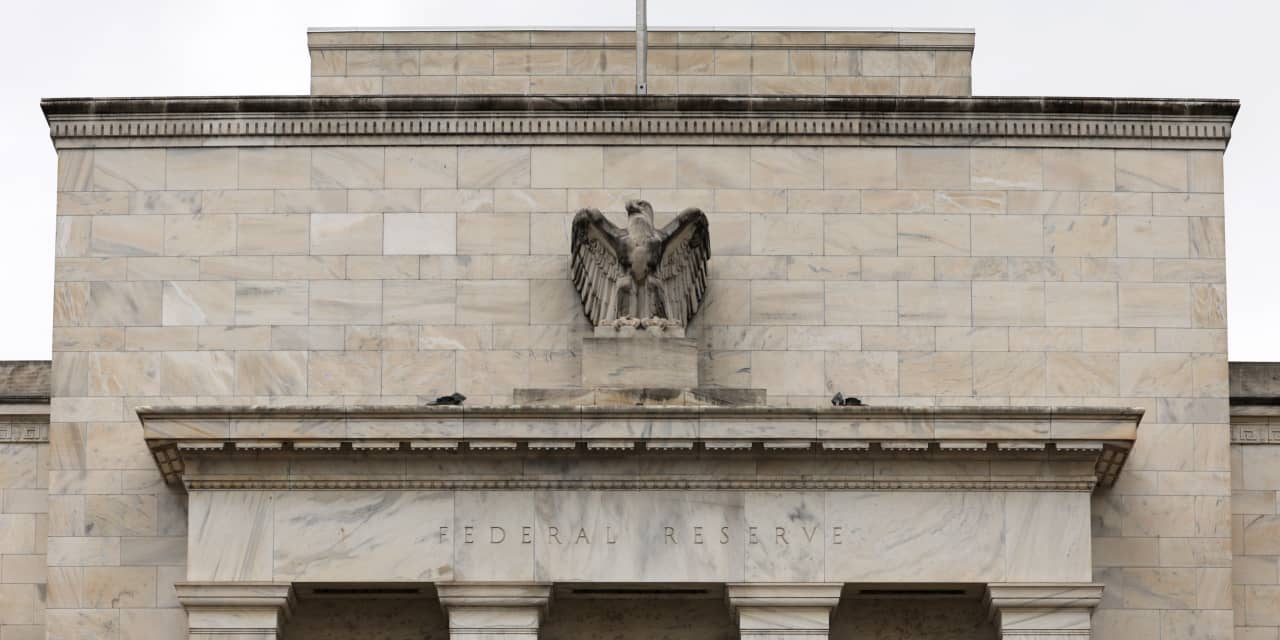
If markets have had a wish of late, it’s that they want the Federal Reserve to cut interest rates soon. At this point, there’s another hurdle before the Fed can grant that wish.
Treasury bond prices across the board are higher, sending the
10-year yield
down to about 4.2% from a multiyear high of just over 5% hit in October. The bond market sees the Fed cutting short-term rates in the first half of 2024. The rate of inflation, at 3.1% year over year in November, has more than halved from its peak last year.
That’s sent the
S&P 500
higher since late October, and it now stands at a 21% gain for the year. Equity investors are confident that the economy can continue its recent growth as rates are finished surging.
That’s all bringing companies’ and households’ cost of financing lower. Lower Treasury yields have made higher-yielding mortgage and corporate bonds more attractive to investors, causing those bond prices to rise—and their yields to fall. The
iShares iBoxx $ Investment Grade Corporate Bond Exchange-Traded Fund
is up almost 10% since a multi-month low in October. The iShares MBS Exchange-Traded Fund +is up about 7% since a similar October level.
The problem with this rise in asset prices is that it’s ultimately not what the Fed wants to see. Lower yields makes accessing financing easier, which could support consumer spending on items such as houses and other goods and services. That, in turn, could prevent inflation from falling to the Fed’s 2% target.
Inflation isn’t down to the goal yet, especially seeing that the core consumer prices index, which strips out the more volatile food and energy prices, still rose 4% in November. That means a breadth of goods and services are still seeing healthy rises in prices. The Fed needs to ensure that demand comes down enough to push inflation even lower.
The Fed will speak Wednesday afternoon. To be sure, it has recently struck a balanced tone in the second half of this year, indicating both that it wants to keep rates elevated to reduce demand but also that it’s monitoring a potentially slowing economy, which could ultimately necessitate rate cuts. Nobody knows what the Fed will say, but the central bank may signal that rates will remain where they are for some period.
“The Fed faces the considerable challenge of maintaining its terminal Fed Funds rate long enough to ensure that it will sustainably dampen inflation while not tipping the economy into recession,” wrote José Torres, senior economist at Interactive Brokers.
That’s a difficult balance for the Fed to walk right now. But markets should remember that the Fed hasn’t yet won the battle against inflation. It has more work to do.
Write to Jacob Sonenshine at [email protected]
Read the full article here