


By Kieran Gaffney
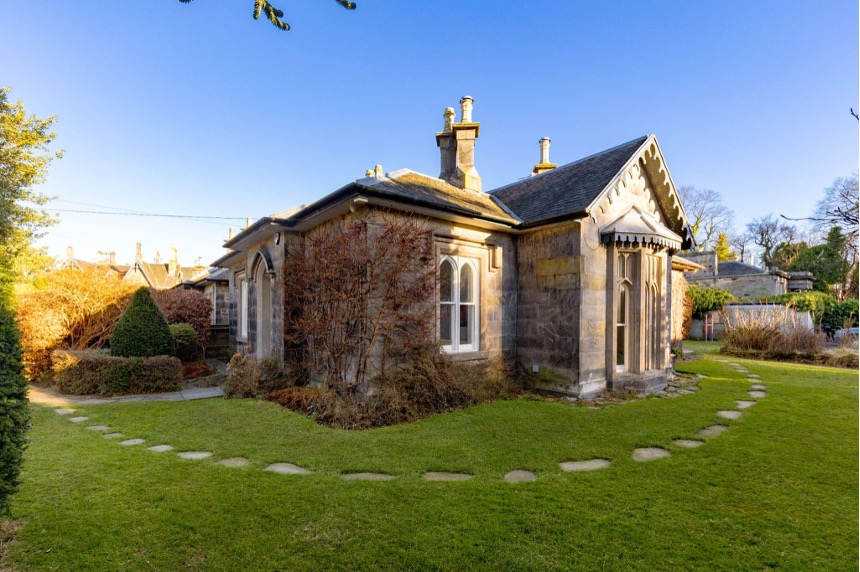
How do you enhance a home to suit a client’s needs while doing justice to its original architecture? In this Category A-listed Edinburgh cottage, on the market for £1.3mn, there are charismatic elements — a curved hallway roof light, intricate cornicing, ornamental finials — yet the kitchen and dining room offer scope for adding a more contemporary flourish.
We think of warmth and softness as a fundamental architectural quality that should be conceived from the beginning of a project as part of the building’s fabric and structure. This can be layered with the furniture and fittings to create a comfortable and inviting home.
The materials that best express this are often the oldest: timber, lime plaster, stone, clay. A timber-lined corridor can soften the transition between spaces, a lime-plastered niche can cradle a window seat and a stone floor anchors a kitchen. These aren’t just stylistic gestures — they are invitations to dwell. Here I share my tips for how you could use natural materials to enhance this historic home.
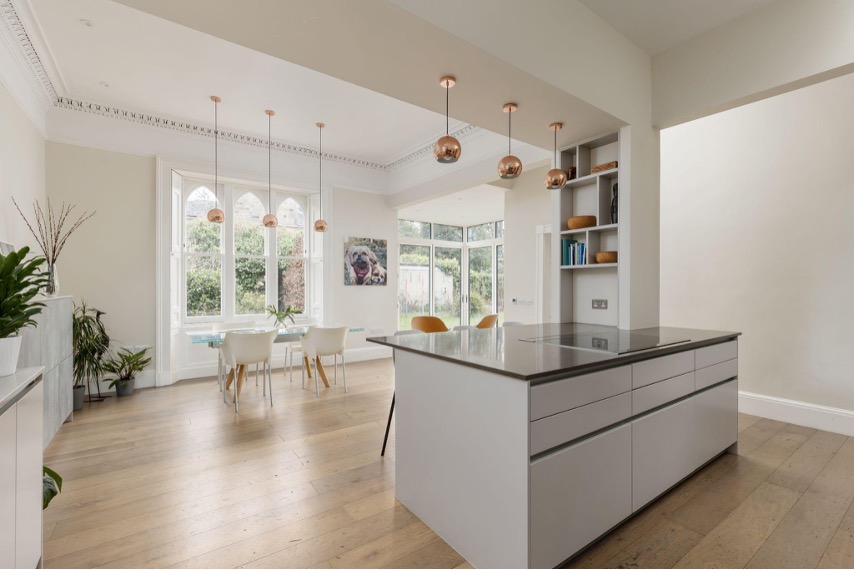
Timber, a living material
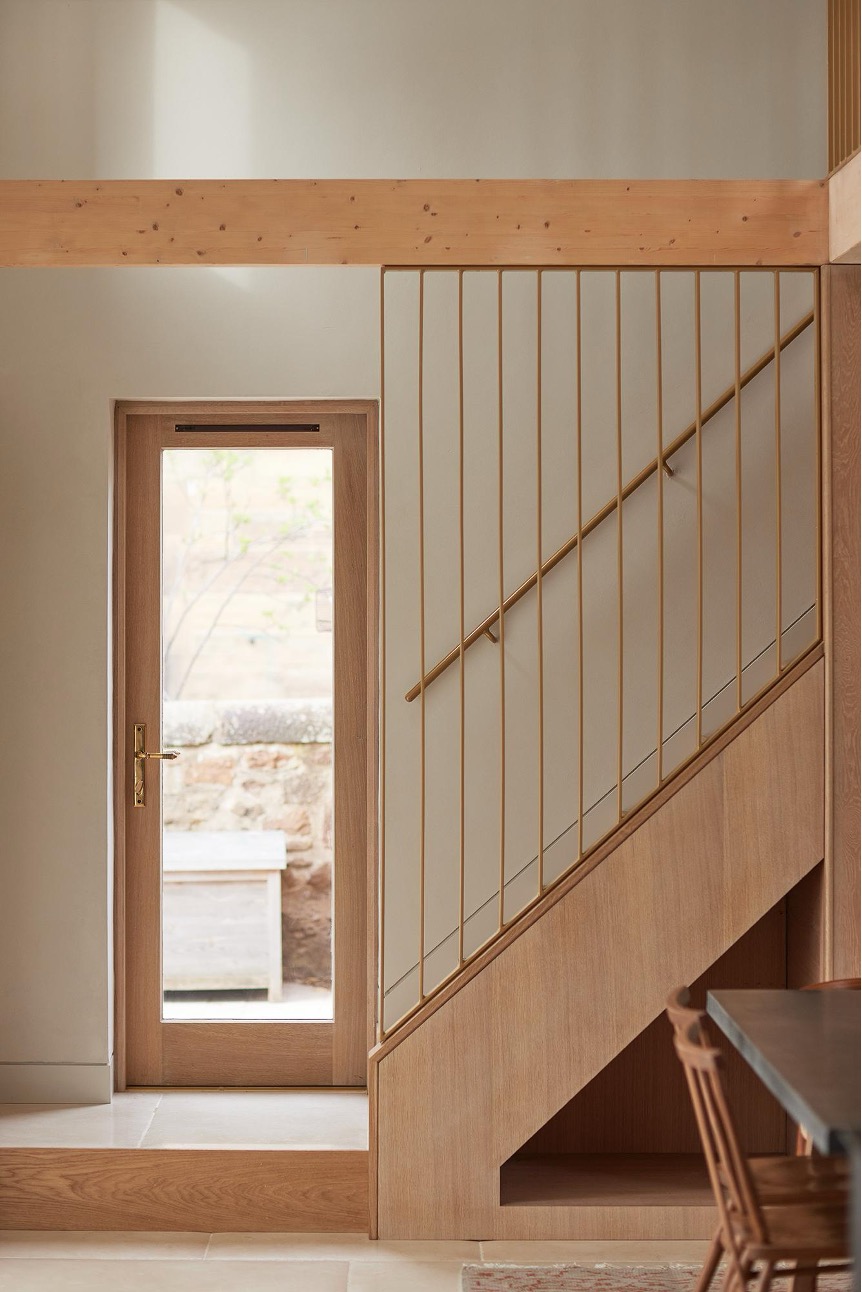
We work extensively with timber both structurally and decoratively, the oak staircase pictured below being a good example. Wood is sustainable, beautiful, tactile — visually soft and atmospherically warm. It doesn’t clamour for attention but instead invites rest, reflection and slow living.
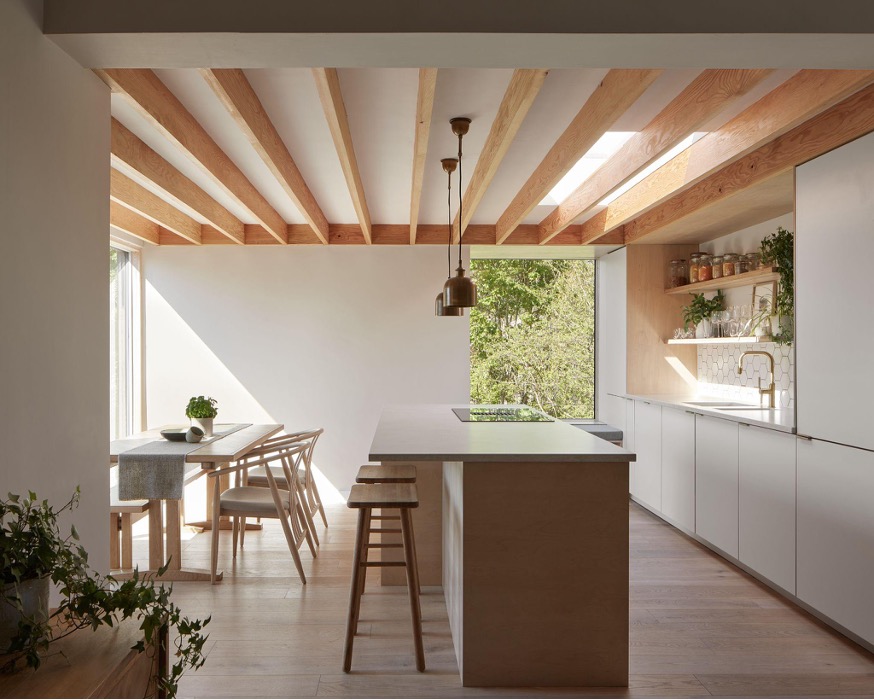
There are lots of ways we might introduce it into the kitchen-dining space. Line the room with Douglas fir or oak and your body would feel the difference — it moderates acoustics and humidity, making a space more restful. Alternatively, a finely-made timber screen divides space gently, filtering light and creating privacy. An oiled, solid timber floor carries warmth underfoot and slows the pace of living.
A gentle wall: lime, not plasterboard
In combination with wood, we favour lime plaster over modern gypsum plasterboard. Lime is softer, more forgiving and less “perfect” than plasterboard, which creates cold surfaces and flattens light. Lime also allows walls to breathe and brings a palette that is inherently rich.
Applied by hand, with subtle imperfections and a self-coloured finish, it glows gently and creates interiors that feel settled and grounded. The right-hand wall shown below, at one of our recent projects, is plastered with lime.
Modern decoration
The Victorians excelled at decoration and this building has some lovely, softening details inside — cornicing, picture rails and architraves that help modulate surfaces, smoothing out the lines and junctions of walls and ceilings. We try to make contemporary architecture with these flourishes; modern doesn’t need to be sterile.
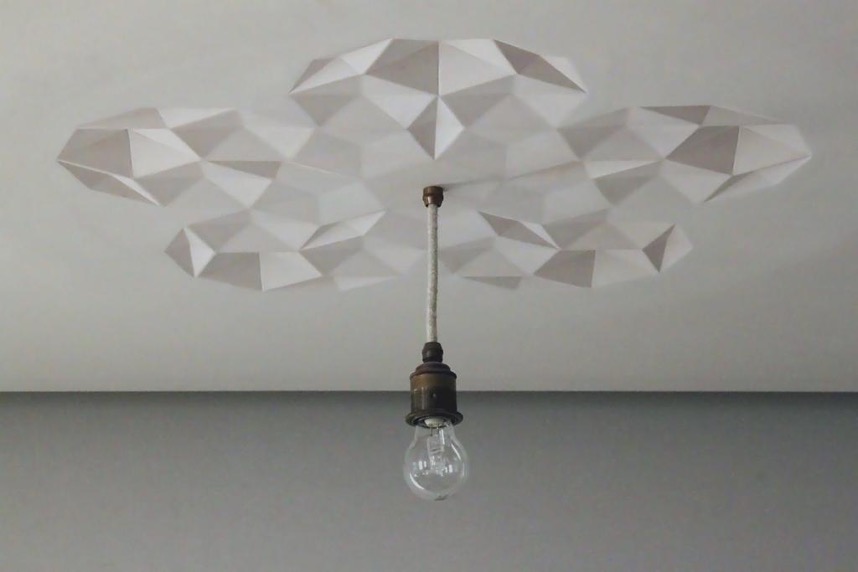
A contemporary reinterpretation — such as this recessed ceiling rose by our collaborators at Chalk Plaster — can restore balance. We’d also suggest reinstating the lost fireplaces.
Light and surface
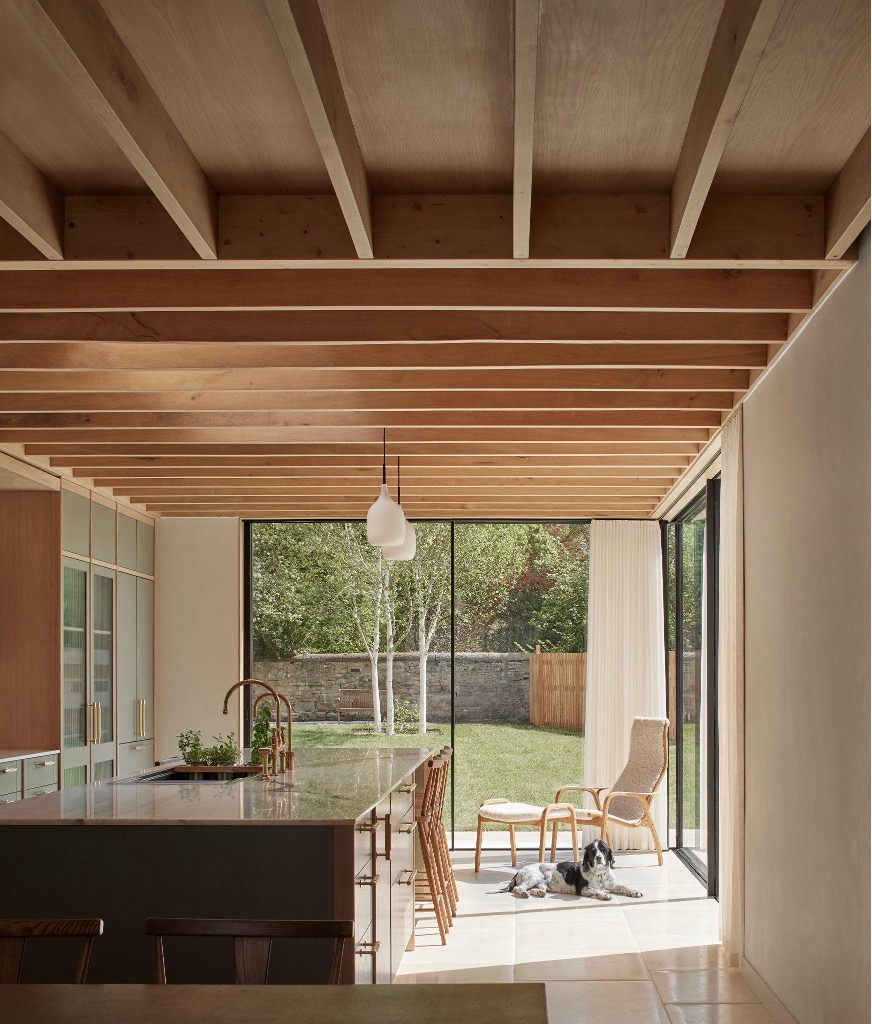
We treat natural light as a material in itself. When handled with care, it enriches a space and the materials within it. The Edinburgh house makes the most of multiple sources of light — the garden view and a roof light in the hall, for example — ensuring rooms are swathed in luminous, invigorating light throughout the day.
With our design for the kitchen space pictured below we have used natural materials such as wood and lime plaster and looked for moments where daylight and detail meet, shaping the mood and rhythm of the space.
Garden connection
A connection to the garden might seem obvious to us, but Victorian formality rarely achieved it well. We are often tasked with remaking that link. The garden at the Edinburgh cottage is mature and atmospheric, with old trees and layered planting. We find that the more established the garden, the more it offers the interior.
With any extension to such a flamboyant building, it’s always worth thinking boldly and plumping for a confident addition that can hold its own alongside the stylish Victorian exterior.
Photography: Richard Gaston; Nanne Springer; Knight Frank
Read the full article here