
‘Shark Tank’ star Kevin O’Leary says this is the ‘crap’ you should do without to save enough for retirement

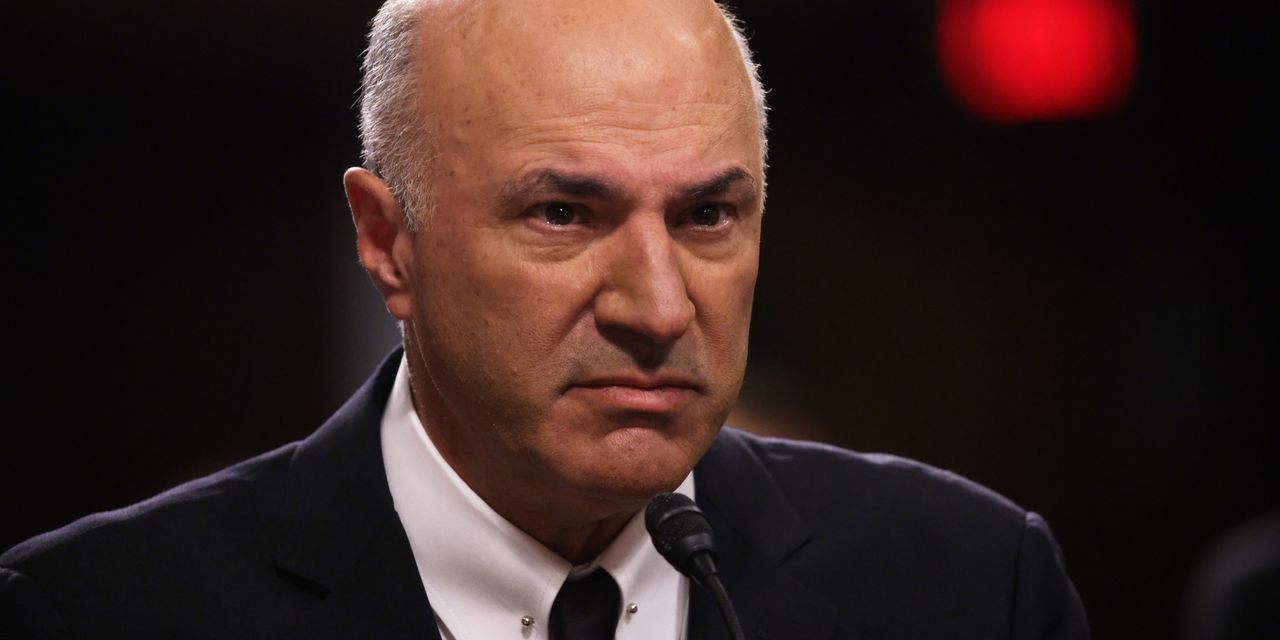
When “Shark Tank” investor Kevin O’Leary appeared recently on ABC News, a viewer asked him: “What percentage of my salary should I invest in a 401(k)? I’m not sure if I can comfortably hit the recommended amount with my other living expenses?”
Without hesitation, O’Leary responded, “The number is 15% — and yes you can, by stopping buying all that crap you don’t need. You have to adjust your lifestyle to make sure you put 15% away.”
So just how on target is O’Leary? Experts weigh in.
How much should you save for retirement?
Pros say that 15% is a decent goal, though, of course, there will be nuance person to person. For his part, certified financial planner Matt Bacon at Carmichael Hill & Associates says, “somewhere between 10% and 20% works for most people but it’s not a one-size-fits-all kind of thing.”
The older you are, the more you’ll want to save. “At age 30 you should target saving 20% of your income and grow this percentage in your 40s and 50s as your income increases over time,” says certified financial planner Julia Lilly at Ryerson Financial.
When you’re figuring out how much to save, err on the side of saving more, pros say. “It’s unlikely anyone ever regretted putting too much money into retirement savings. We should also remember that there are specific dollar limits to the amount we can contribute. In 2023, that number is $22,500 and goes up to $30,000 for those over age 50. I would say that dollar amount is the goal, but if you can’t reach that, then the 15% recommended by O’Leary is a good target,” says Bobbi Rebell, certified financial planner and founder of Financial Wellness Strategies.
What if you feel you can’t save enough for retirement?
Start small
It’s fine to start small and it may take some time to amp up to 15-20%. “Any percentage is a good place to start, 1% is better than 0%,” says certified financial planner Andrea Clark. Some pros suggest starting even higher. “10% is an adequate amount to start with, however, you should save as much as you can, particularly in tax advantaged accounts,” says certified financial planner Joe Favorito at Landmark Wealth Management.
Certified financial planner Bruce Primeau at Summit Wealth Advocates says: “Start at a lower number and increase your savings rate over time. Let’s say in year 2 you receive a 4% salary increase. Take 2% home and allocate 2% more to your retirement accounts. Over time you’ll be increasing your savings rate and your take home pay in order to keep up with inflation.”
Get the match
Another good starting point? Put in at least up to what the employer will match, says certified financial planner Alonso Rodriguez Segarra at Advise Financial, as that’s free money. “Always save enough to get the full employer matching amount and set up the auto annual increase that most large employers now have in their plans,” says Clark.
Don’t neglect expensive debt though
Be sure not to neglect other expenses too. Clark says that retirement savings “should not be done at the expense of paying interest on debt that is over 10% annually,” says Clark.
“Remember that it’s also possible to invest too much from your salary, especially if it means “you’re not able to meet your monthly bills or [you’re] carrying credit card debt as a result,” says Favorito.
Put salary increases towards retirement saving
If saving even that 10% feels like a stretch, Segarra says every time you receive a salary increase, half of the increase should go towards increasing your 401(k) contribution. “You’ll see over time how your contribution percentage will grow year by year,” says Segarra.
Clark agrees with the salary increase point: “Devote one-third to one-half of the next salary increase to retirement savings and remember that money is a tool to prepare for retirement and live your life now,” she says.
Cut unnecessary expenses
Managing your budget is the first step in ensuring you can put enough money away. “Cut out as much waste as you can. Having a budget written down can help you identify what you really don’t need,” says Favorito. Clark recommends reviewing bank and credit card statements quarterly to see what you can cut and then add that monthly amount to your 401(k).
Automatically increase contributions
“Many plans allow you to set up an automatic increase in the percentage taken out of your paycheck at certain time intervals. This can be a painless way to inch yourself up to the 15% benchmark,” says Rebell. “The truth is that because this can be pre-tax money, you may not feel the pinch as much as you think.”
Start early
Saving aggressively from inception to maximize the power of time is ideal. Investing your money can also give your net worth a compounding effect as you age. “You’ll need at least 10 times your annual salary saved by age 60 and since not all of your net worth is spendable, you will need a larger amount than 10 times,” says certified financial planner John Bovard at Incline Wealth. To see how the power of compounding works, let’s say you invest $200 each month with a 10% return. You’d have over $150,000 in 20 years and 20 years after that, you’d have more than $1.2 million. So while $200 per month may feel insignificant, it can actually yield a meaningful amount money in the long run.
Read the full article here