

By Isaac Zamet
Whence does the success of the James Bond franchise arise? For some fans it was always the intoxicating palette of muscle, sex and intrigue which bound them to the famous hero. Others go in for the car chases with a side of romance.
Still bound to the films is the array of charismatic homes also playing a titillating role — from the freewheeling concrete of Elrod House, Palm Springs (Diamonds Are Forever, 1971) to the Ionian jewel of Villa Sylva (For Your Eyes Only, 1981), via the floating Udaipur lake house in Octopussy (1983).
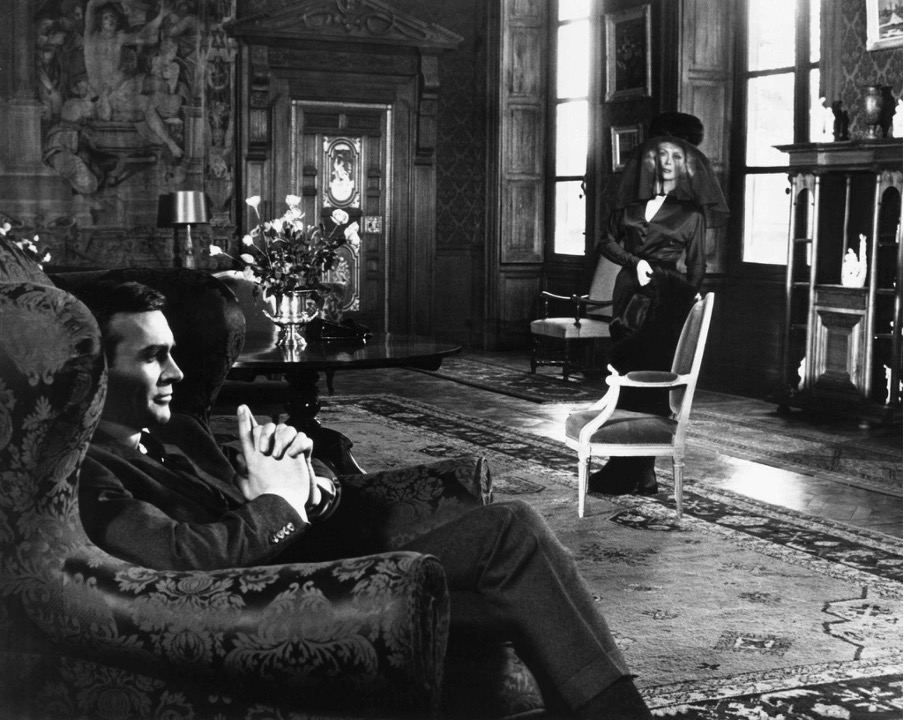
To property enthusiasts, Bond films are akin to a fantasy estate agent’s window, displaying handsomely shot properties from the 20th and 21st centuries. Any actor who has played James Bond will have filmed in a glut of showstopping houses. Sean Connery, who played Bond between 1962 and 1971, was no exception; take the beautiful French location Château d’Anet, in which he appeared in Thunderball (1965), for example.
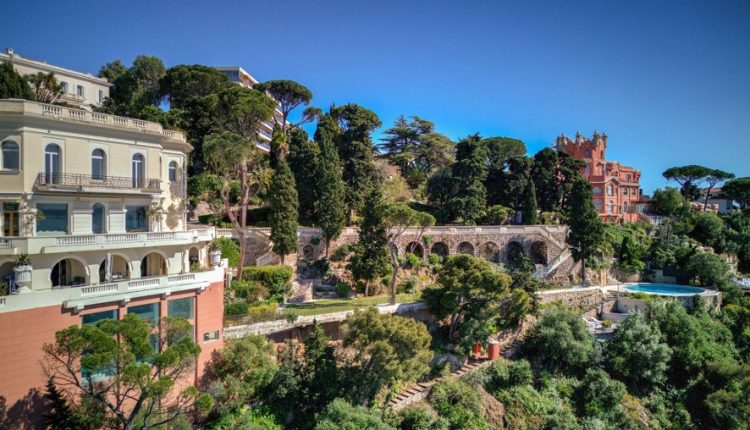
During his lifetime Connery himself owned a number of properties in France — and now on the market for £20mn (€23.5mn) is Roc Fleuri in Nice, which shares the foot of the Mount Boron hillside with the famous Chateau L’Anglais. Roc Fleuri is still known locally as “Sean’s place” — and has all the elements to make an outstanding Bond location in itself.
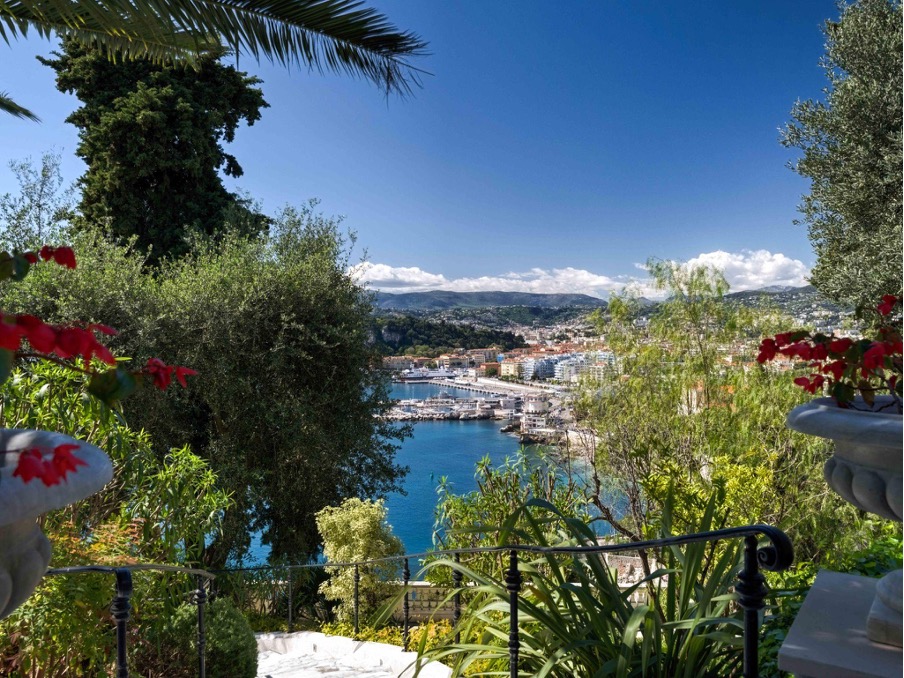
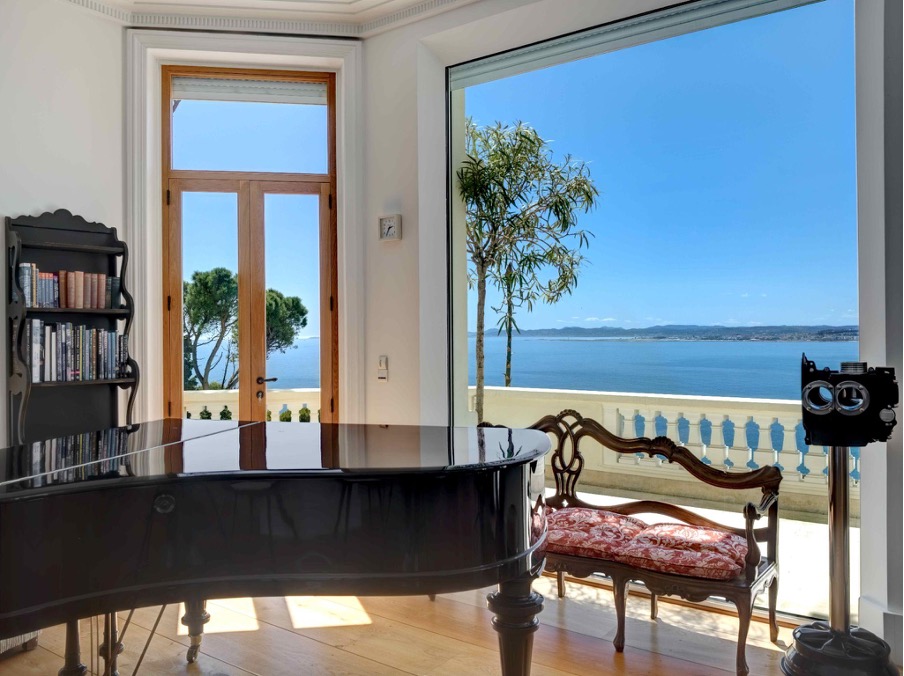
Straddling belle époque and art deco idioms, the house stands stuccoed, balustraded and wrapped in wisteria on private grounds above the sea, looking across the port towards the Cap d’Antibes. Its big, blue view is well-known to be the envy of other occupants of Mont Boron — and is a sure way to impress guests. Indeed, the house is well provisioned for entertaining.
Huge terraces offer a sense of reposeful remove and communion with the sea and the mountains beyond. For guests overnighting, there are three suites on the lower levels of the main house, as well as a secluded villa at the entrance of the grounds. There is also an option to purchase a third neighbouring 160-square-metre villa, which offers a further three bedrooms and a circular swimming pool overlooking the entrance to the port.
For the party-making host, the way up from the reception area leads, via spiral stairs, to the roof terrace, which crowns the main house with barbecue fixtures and the best view in Nice. Below, the gardens stretch down to the water with pines and carob; dusty-green rosemary and thyme among the stones and rockroses climbing out with the juniper. The grounds are smartly landscaped and lead to a gate that opens directly on to the Mediterranean.
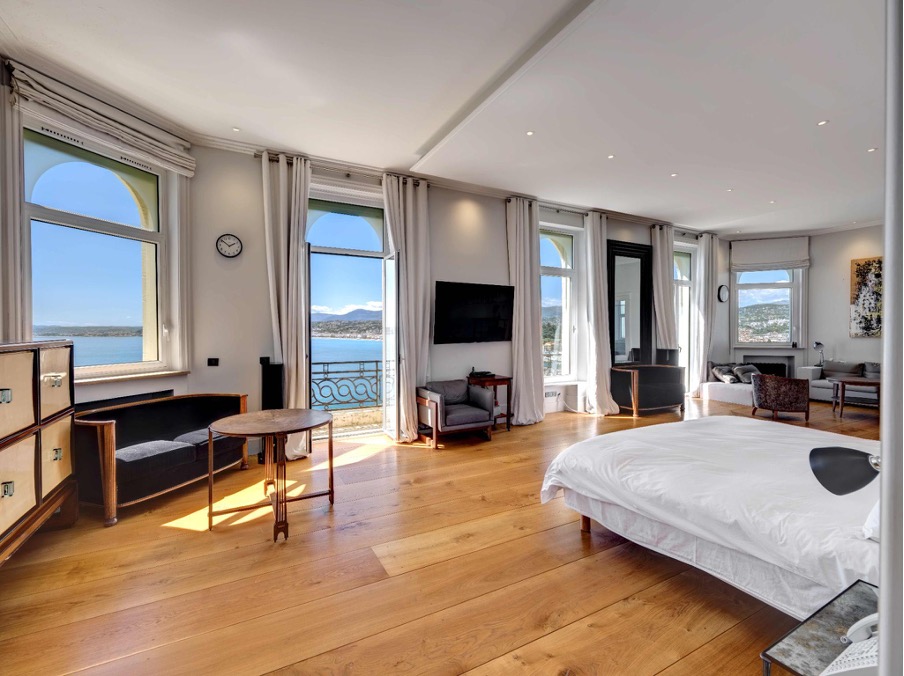
The period details of the house have been well preserved, with ceiling moulding, wrought-iron banister-work and mosaics remaining intact. An outstanding feature is the original lift cabin: original wood-panelling, with an accordion door — but digitised in the technical elements. Tradition meets technology, which is all very Bond.
The amenities are high calibre (no firearms, though): the lower storeys, part of the concrete platform the house was originally built on, contain a spacious spa area with a heated infinity pool and gym. The bare rock of the hillside projects into the back of the room, while windowed fronts and sides bring you into direct contact with the pines and the sea.
James Bond, the character, is, of course, eternal. Those of us in the real world, however, do not Only Live Twice but once. This is an assuredly once-in-a-lifetime opportunity to buy one of the most famous houses in Nice — and it comes with a killer pedigree.
Photography: Alamy; Savills
Read the full article here