

By Miriam Balanescu
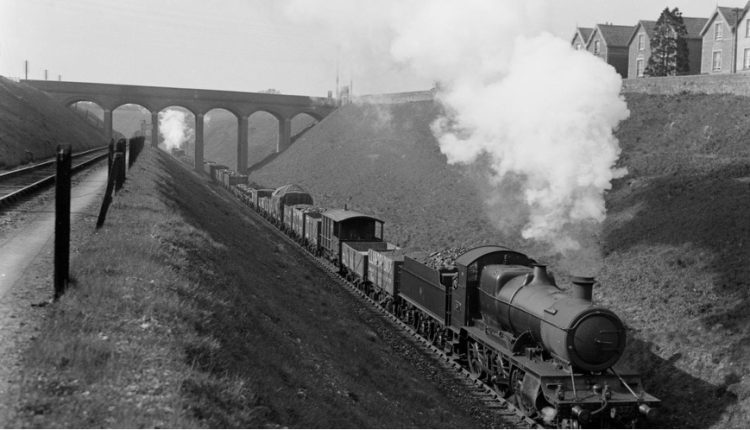
Train journeys wind their exhilarating way through literature, film and television, covering everything from fateful meetings in the noirish novels of Patricia Highsmith, to idyllic adventures in The Railway Children, to a passionate affair in Brief Encounter. There is a romantic thrill — and sometimes a melancholy twist — to watching locomotives disappearing off into the distance.
Ever since England’s first public passenger service, the Stockton and Darlington, was built in 1825, railways have been considered a prime spot for property. The construction of workers’ housing followed the development of rail travel and dedicated “railway villages” — built by the rail companies themselves — sprang up nearby. Even with the rumble of the vehicles and smoky clouds of soot, proximity to a railway meant connectivity.
For Niall Holden this historic legacy is all part of the appeal. He owns an apartment converted from what was once a British Rail manager’s office in London’s St Pancras Chambers. It has floor-to-ceiling casement windows that look out onto the station’s main hall — the largest single-span structure in the world when it was built in 1868.
Embracing the railway theme, Holden’s flat is bedecked with the vintage railway prints of 20th-century artist Terence Cuneo along with many train-related novelties he has accumulated over ten years of living there. The apartment sits within the conversion of Sir George Gilbert Scott’s former Midland Grand Hotel, which opened in 1873, and retains many original features — including British Rail-themed stained glass windows.
Inevitably, settling near a station means leaning into the hustle and bustle. Holden’s apartment in King’s Cross is at the epicentre of the area’s activity, while a two-bedroom flat on the South Bank in the towering One Blackfriars has spectacular views of the railway line over the river — an ideal pad for a party.
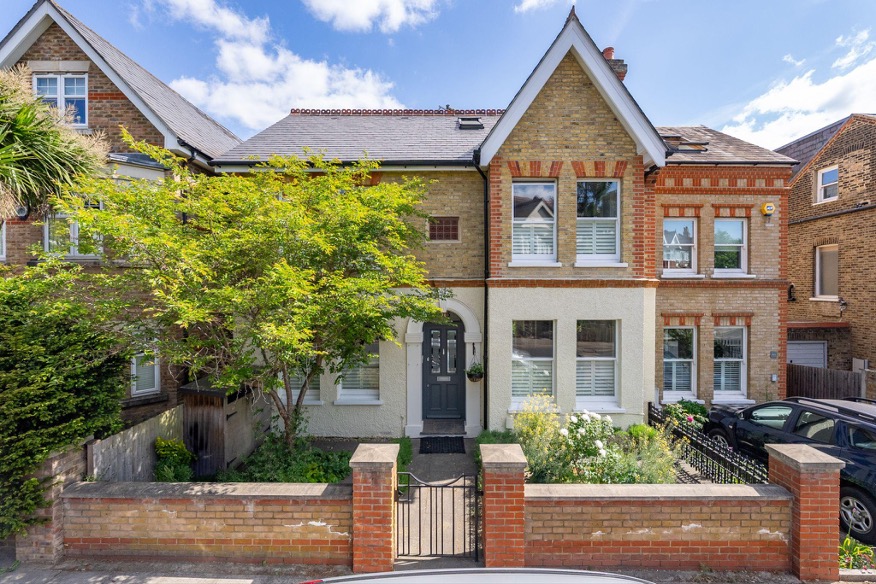
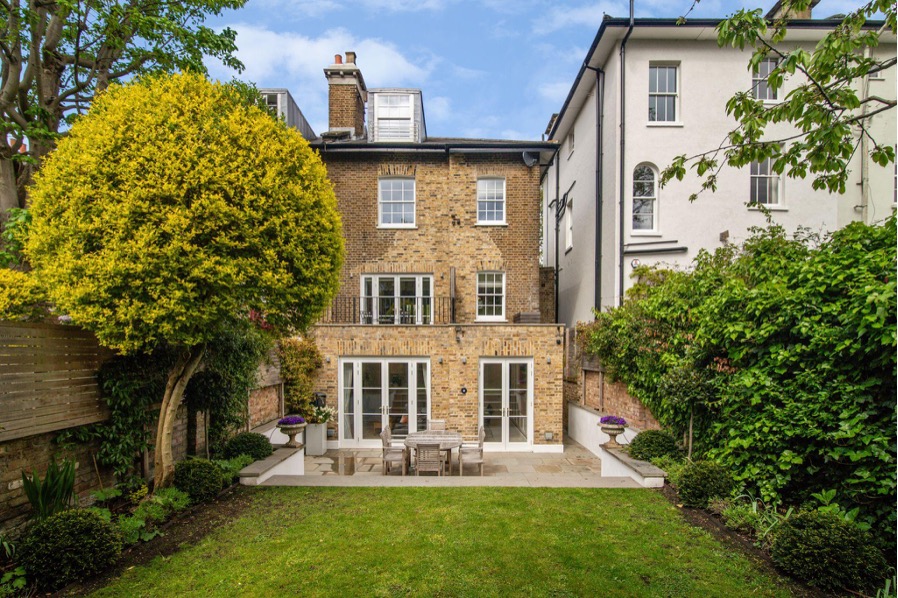
Of course, there are disadvantages to being so close to a railway, such as noise and air pollution. Homeowners need to mitigate these by installing double glazing and roof insulation to soften the noise, though more extensive work may be required to protect the property’s foundations from ground movement and vibration. Gardens can act as a natural sound buffer — as is the case with this six-bedroom Edwardian town house in Wimbledon, on sale for £2.25mn, where the railway line runs behind the houses.
Some metropolitan homes manage to stay close to railways while avoiding their disadvantages. For example, despite facing train tracks across the street, the driveway of this four-bedroom Westbourne Park home, on the market for £4.795mn, helps distance the building from the noise of passing trains.
Though there may be challenges, proximity to the train offers promise, says Holden: “You can leave the flat and be in Paris within three hours.”
Photography: Science & Society Picture Library/SSPL/Getty Images; Knight Frank; UK Sotheby’s International Realty
Read the full article here