

By Kitty Grady
When it comes to areas associated with London’s thriving artistic scenes, today you’d likely think of Shoreditch, Peckham or Camden. But go back a little in history and you’d be making a beeline for Chelsea.
The area — once a village surrounded by fields and farmland — has attracted royals and aristocrats as far back as the Tudor period, when it was home to Thomas More. Over the centuries it gradually became more built up, with the addition of the Royal Hospital and Chelsea Physic Garden adding to its allure.
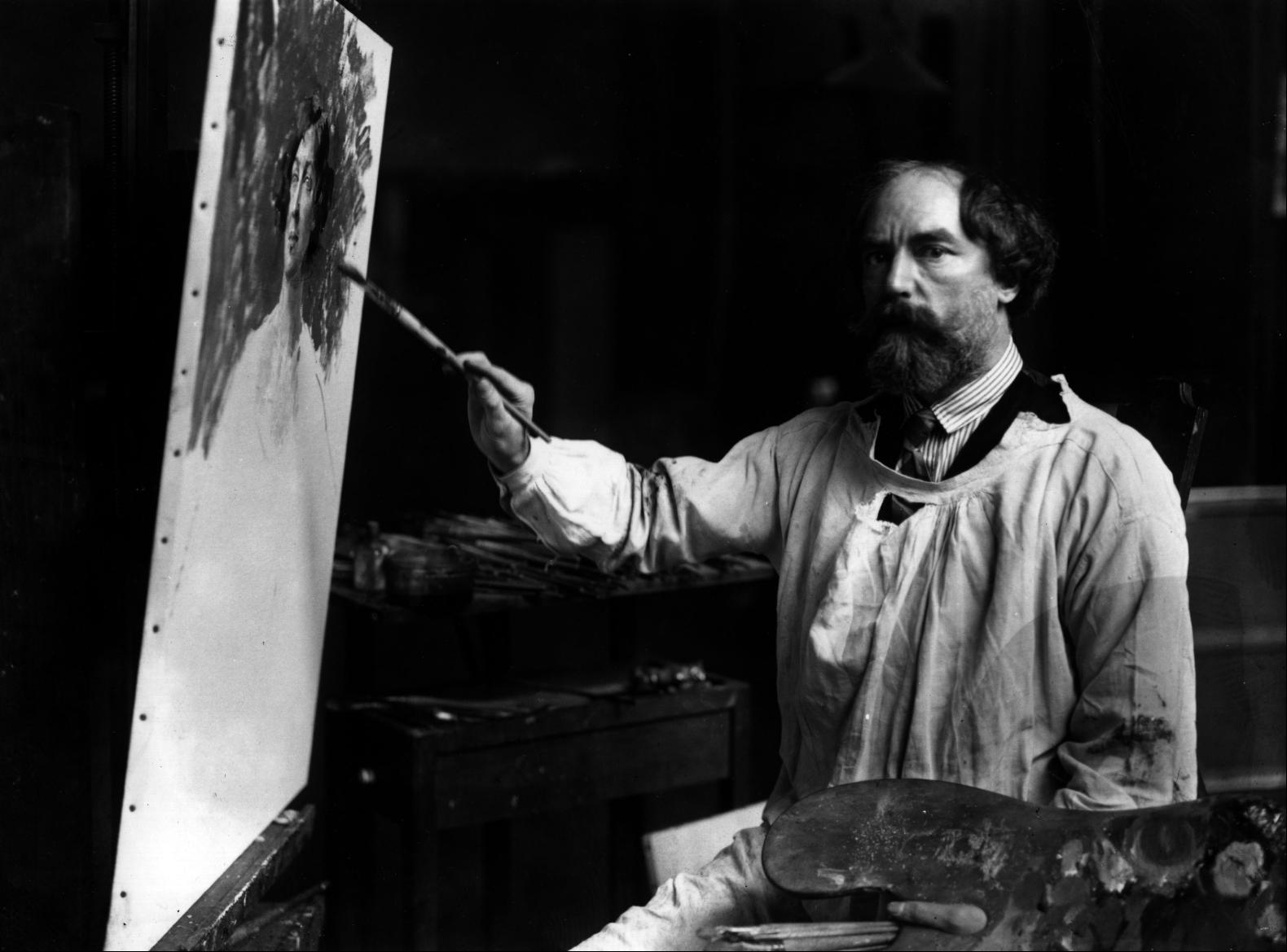
But it was from the middle of the 19th century onwards that young artists began to flock here, culminating in the establishment of the Chelsea Arts Club in 1890 by a group that included painter James McNeill Whistler.
With the Edwardian era came the red-bricked arts and crafts-style houses many associate with the area. And in the 1970s and 1980s it became known for punk; Vivienne Westwood and partner Malcolm McLaren opened their King’s Road store in 1971.
Among all this creativity, though, one location in particular has a distinct kudos. It may be only 100 metres long, but Mallord Street, just off the King’s Road, is dense with artistic and literary history. The great British painter JMW Turner lived and died nearby, and the street takes one of his middle names — the M in JMW stands for Mallord.
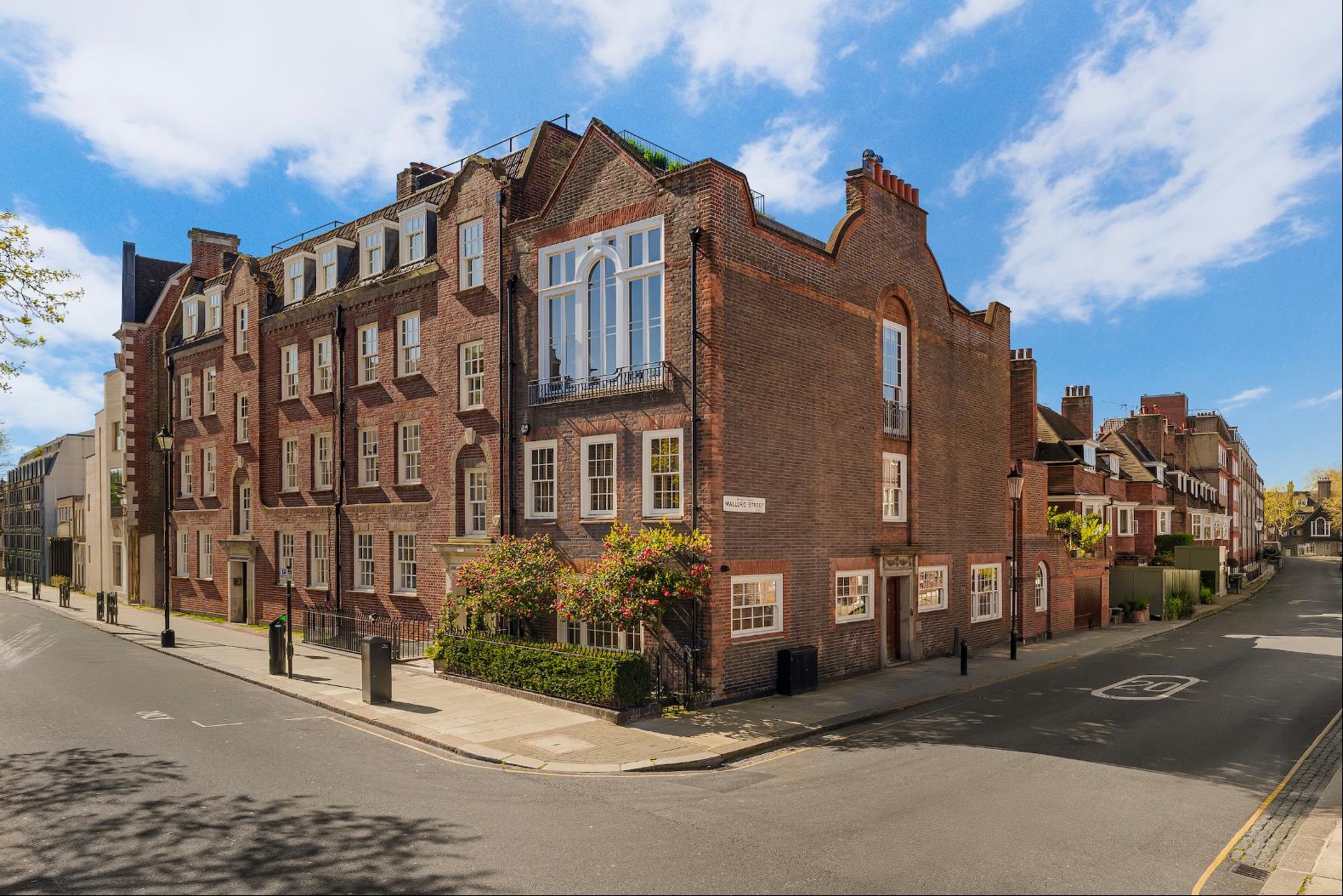
Residents have included Winnie-the-Pooh author AA Milne (a blue plaque is on display at number 13), Irish sculptor John Francis Kavanagh and Augustus John, once described by the Tate as being “the most important artist at work in Britain.”
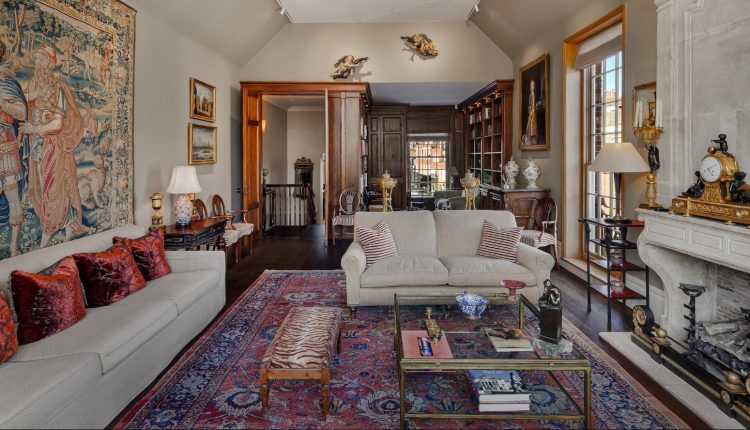
Now for sale is 1 Mallord Street, a three-bedroom end-of-terrace home that offers a rare chance to be part of this rich history. The £6.95mn house was built for watercolourist Cecil Arthur Hunt who moved there in 1911. The second floor has a 16ft-long drawing room with large north and east-facing windows — and high ceilings to provide room for large canvases.
Its current owner, Vivien McLean, was inspired by a previous owner, Hungarian concert pianist Louis Kentner, to continue using it as a creative space. “I bought the house 18 years ago, it sort of sang to me and I felt I should use it properly because of the studio drawing room.” McLean — who appeared in a 2018 Financial Times article on the resurgence of salon culture — has hosted numerous chamber concerts and other artistic events in the space. “It has amazing acoustics. It works really well for a party.”
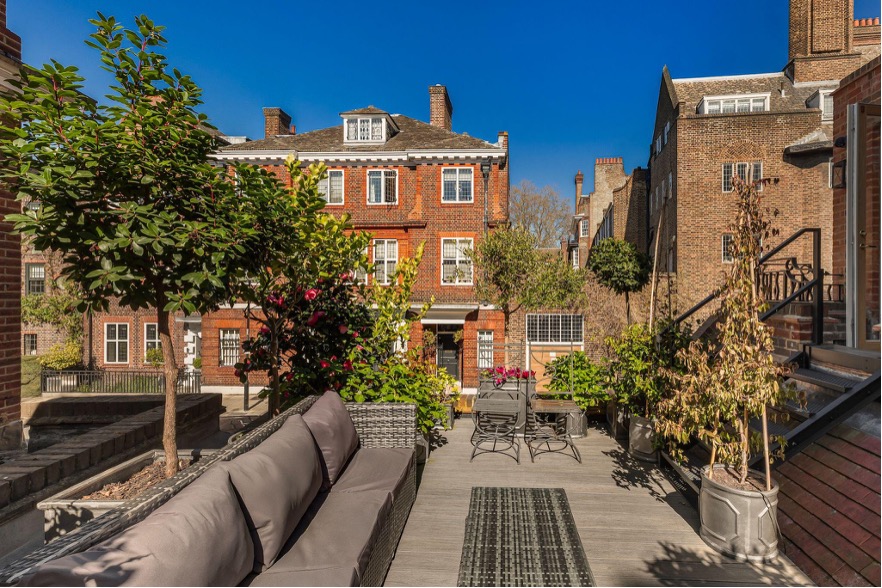
While the drawing room (main picture, top) is much as it was when McLean moved in, the rest of the house has been decorated and updated to include a modern kitchen, a library and a garage, on top of which is something extremely rare in this part of town — a roof garden. For a prospective owner it’s an invitation to carry the artistic legacy into a new era.
Photography: UK Sotheby’s International Realty; Fox Photos/Getty Images
Read the full article here