

By Emma Bird
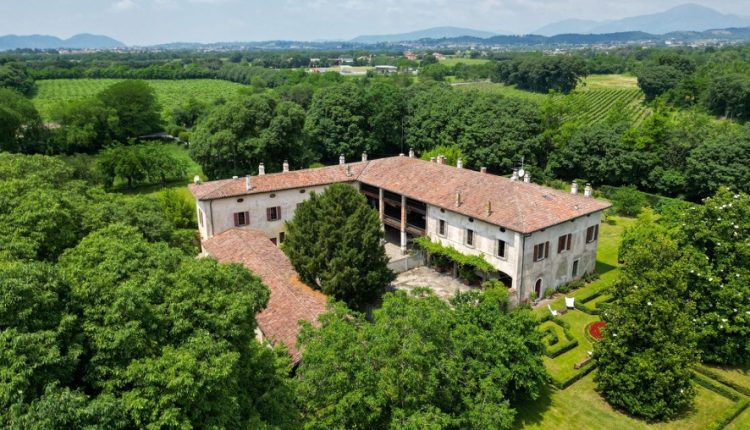
“If it could speak,” says Maria Zulima Job of La Palazzina, the sprawling country estate in northern Italy, “it would tell stories of love, family and friendship.” The theatrical villa, built in 1794, was the private retreat of the filmmaker Lina Wertmüller and her husband, the artist and set designer Enrico Job.
Nestled among the vineyards of Lombardy’s Franciacorta sparkling wine region, the estate was their escape from Rome: a place for festivities and family gatherings, and skiing in the nearby mountains. Restored in the early 20th century in stile liberty — Italy’s version of art nouveau — the property had been in the Job family long before the couple made it their own. Enrico’s parents inherited La Palazzina from an aunt, and by the time Wertmüller met Job in 1965, he was living there with his brother. Soon the villa became part of their shared life.
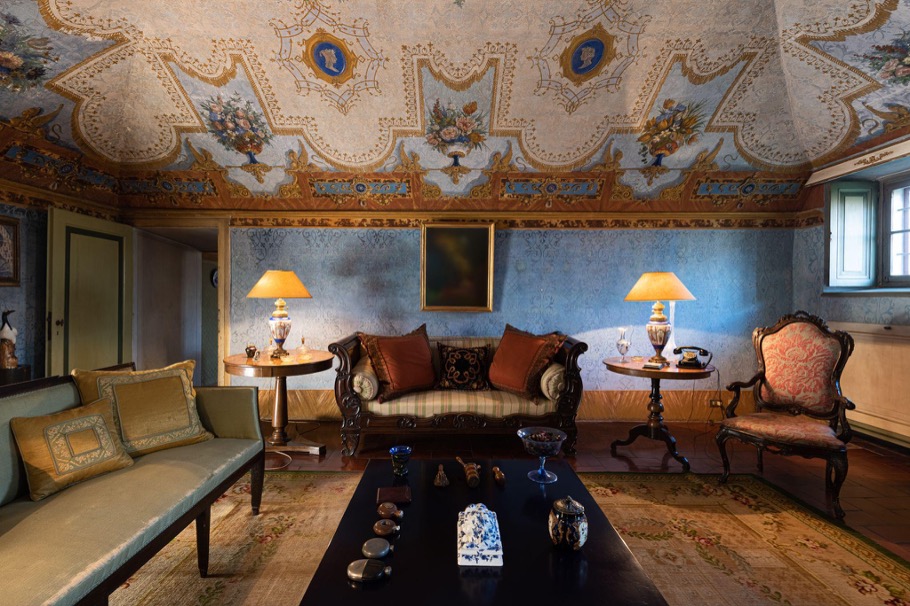
The couple began remodelling, adding a wooden attic roof and restoring every fresco by hand, including those in the stanza degli Inganni, a small ground-floor living room painted by 19th-century artist Angelo Inganni as a thank you for hospitality. Over time they bought adjoining land, later turned into a vineyard, and converted former cellars into two independent apartments.
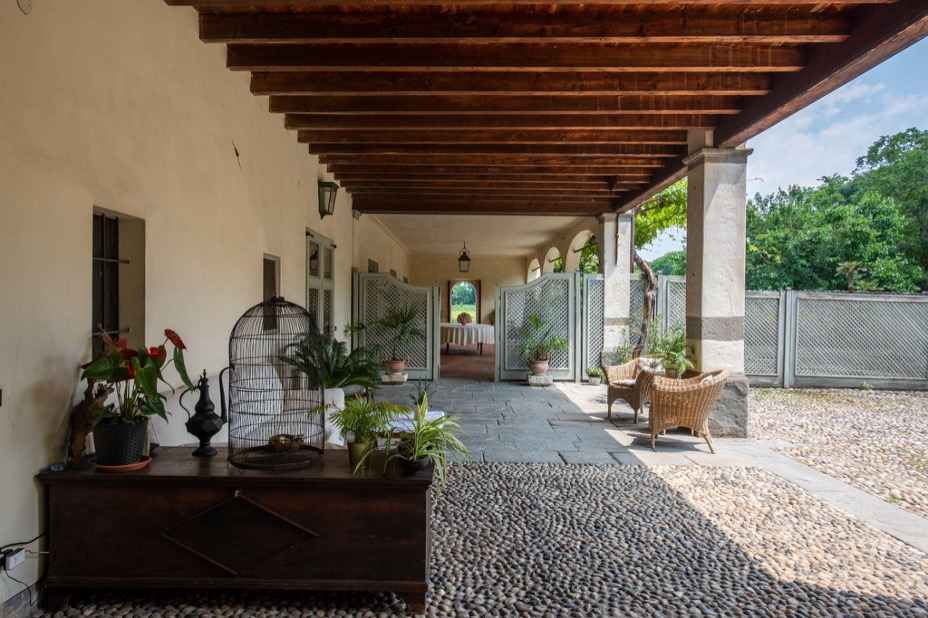
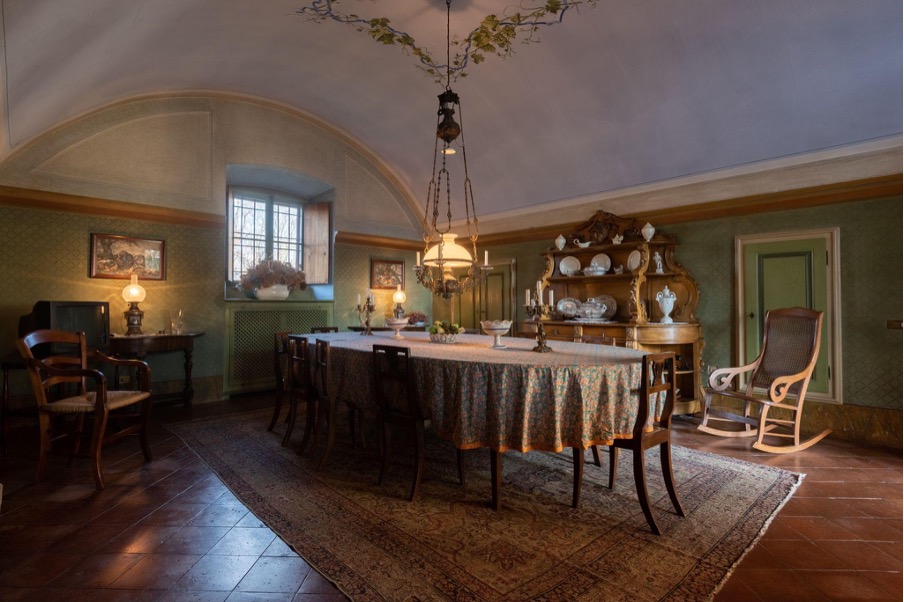
The villa is surrounded by more than six hectares of gardens, woodland, orchard and three hectares of DOCG vineyard. Its C-shaped main structure wraps around a courtyard. Inside, a grand staircase leads through vaulted salons, marble fireplaces, frescoed ceilings and a private cinema. One of Wertmüller’s favourite spaces was the loggia — an open-sided gallery — where she often sat at her typewriter. “That’s where she worked,” says Maria Job. “She loved the sun.”
The 12-bedroom house, now on the market for €3.6mn, became known for its parties, especially at Christmas. Guests included longtime friend Sophia Loren, Giancarlo Giannini, who starred in several of Wertmüller’s films including Seven Beauties and Swept Away, and director Franco Zeffirelli. “It was always about warmth and joy and being surrounded by people who meant something,” says Maria Job.
Wertmüller — whose full name was Arcangela Felice Assunta Wertmüller von Elgg Spañol von Brauchich — was the first woman to receive a best director nomination at the Oscars in 1977, for Seven Beauties. Known for her bold political satires and surreal character portraits, she was revered for her irreverence as much as her precision. In 2019, Greta Gerwig called her “a godmother to us all” while presenting her with an honorary Oscar.
Wertmüller began her career under Federico Fellini, the maestro of postwar Italian cinema known for La Dolce Vita, Amarcord and 8½, on which she worked as an assistant director. It was a formative experience, but her real challenges came when she took charge. “She was surrounded by men and had to command respect,” says Maria Job. On set, Wertmüller could be ferociously assertive, once biting actor Luciano De Crescenzo’s fingers because he gestured too much during a take. “But that toughness on set was just a role. At home, she was loving, generous and full of affection.”
Job remembers breaking a valuable antique rocking horse as a child. “Mamma e papà didn’t tell me off. They couldn’t, because they’d brought me up on beauty and told me to play with it.” In keeping with their ethos that beautiful things are meant to be lived with and not just admired, they quietly repaired it.
Although it would have made an ideal backdrop, no films were ever shot at La Palazzina. “They never wanted to film there,” says Maria Job. “It was too precious to be taken over by a crew . . . Everything I love is worn-in, alive, imperfect. That’s why La Palazzina is so special. Every corner has its reason for being.”
Photography: Italy Sotheby’s International Realty
Read the full article here