

Unlock the Editor’s Digest for free
Roula Khalaf, Editor of the FT, selects her favourite stories in this weekly newsletter.
As surely as a bad carpenter blames their tools, a struggling retailer tends to point at the economy. British sandwich chain Pret A Manger and Associated British Foods, the owner of fast-fashion purveyor Primark, are two whose valuations tumbled this week, partly because of factors beyond their control. But might changing tastes be playing a bigger role on the high street than gloomy economic headlines alone suggest?
A weak economy is hard fact. Figures on Friday showed the UK failed to grow in July and the Treasury admitted the economy “felt stuck”. Other signs of faltering abound: resignations by UK workers have fallen sharply from their 2022 peaks, suggesting a fear of being the last in, first out of any new workplace. Eight out of 10 people are worried about the cost of living, according to PwC.
On the face of it, that backs up AB Foods boss George Weston’s expectation that Primark’s UK same-store sales will be flat in the current quarter. Its shares tumbled 13 per cent on Wednesday, for their worst day since Brexit.
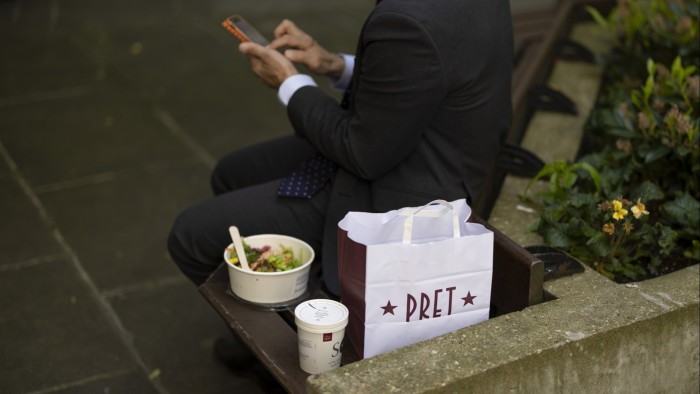
A day earlier, Pret A Manger owner JAB wrote down the coffee and lunchtime stalwart’s valuation by a third, blaming global macro uncertainty, higher taxes and higher interest rates. Just last month, Coca-Cola was reported to be seeking a sale of Costa Coffee at a steep discount to the £4bn it paid, also in 2018, Both examples suggest a penny-pinched consumer less willing even to pay for little treats.
There are signs, though, that retailers have also been caught behind the times. Costa Coffee’s ubiquitous outlets can feel passé in a world of independent stores and matcha-based concoctions. Pret’s new supersized protein-packed salads are selling well, particularly in London, but a plan to debut special-offer meal deals is hardly a new concept in sandwichland. Primark, meanwhile, is developing an app and has just rolled out click-and-collect — a service that rival Zara, owned by Inditex, introduced in 2018.
Granted, the ructions of the past decade have made it hard to spot lasting changes in consumer habits. Notably Pret said this week 2024 was the first year since the pandemic it considered to have consistent data on which it could base a valuation. Since it doesn’t look as though the economy will provide any short-term relief, retailers still planning around yesterday’s customer habits will find even greater challenges in store.
Read the full article here