

By Leah Renz
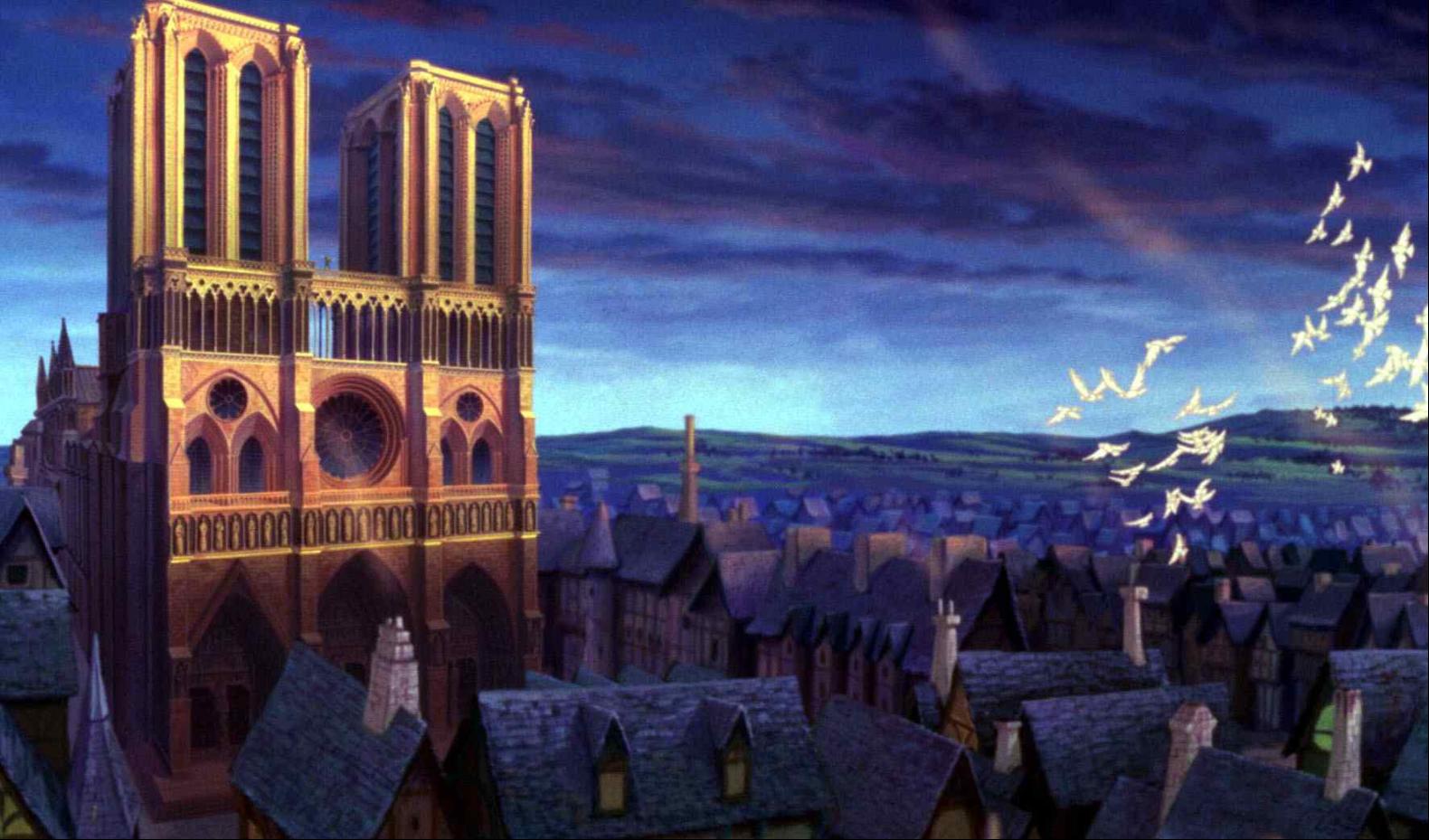
In the opening of Disney’s 1996 film The Hunchback of Notre Dame, the cathedral’s towers appear like the Simpsons’ logo from between hazy drifts of cloud. In verse, Clopin Trouillefou, a street entertainer, describes the tolling of the bells — “loud as thunder . . . soft as a psalm” — as they ring out over medieval Paris. Inside the tower, shafts of gold, lilac and pale blue light illuminate the home of the world’s most famous bell ringer: Quasimodo.
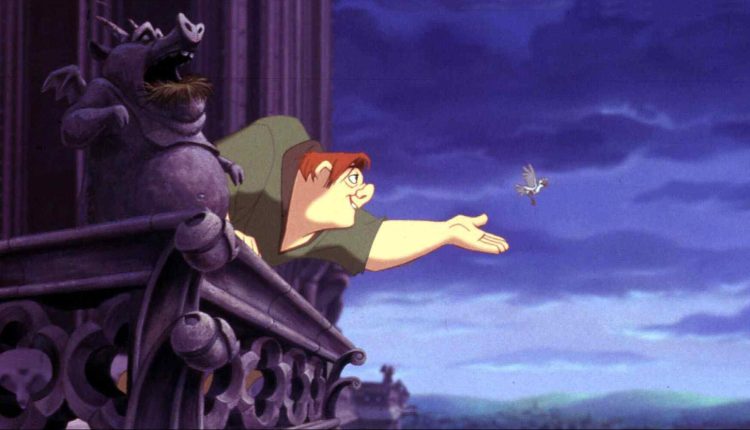
For a time, this seemed to me the best place to live in the world — swinging on the bells and leaping across the parapets. I admired Quasimodo’s strength and bravery in hanging, one-handed, off the distended necks of snarling gargoyles and imagined myself doing the same.
As a clergyman’s daughter, I was accustomed to living in religiously charged environments. The heady mixture of faith, power, stained glass and violins still strikes me as deliciously dramatic. Sacred music would waft up through the floorboards of our home, lending mundanities — say, checking emails — a certain holiness.
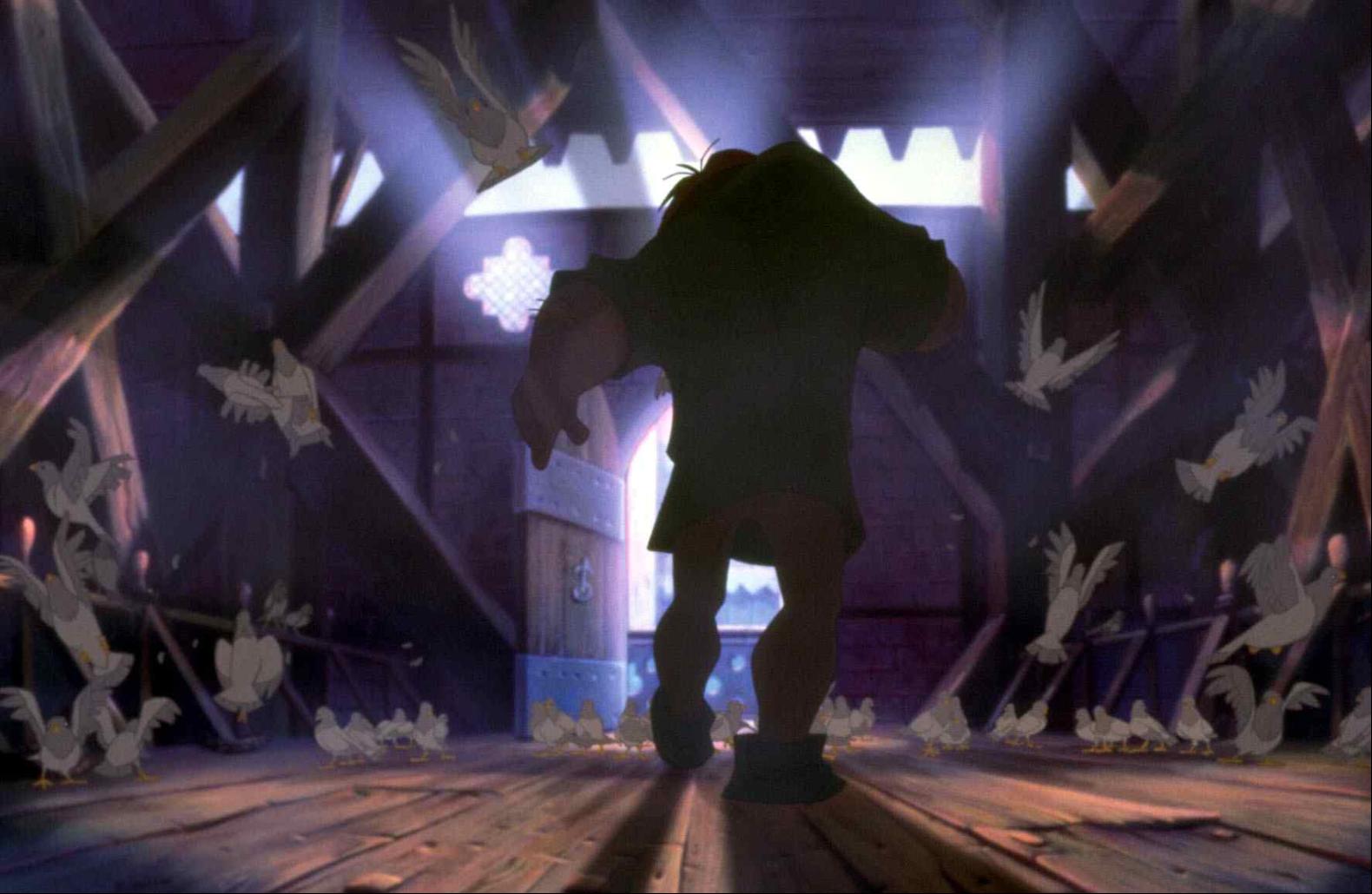
The Disney version of the story comes with useful amenities too, including a handy vat of boiling oil to tip over unwelcome visitors (I’d use it for cooking) and panoramic views of Paris. Quasimodo even has his own artist’s studio: a large slab of table covered with a green cloth. In the draped corner that I consider to be Quasimodo’s bedroom, I am quietly enchanted by the massive stone hand cupping two melted candles. My own bedroom decor pales in comparison: modular white Ikea shelving doesn’t quite zing with the pizzazz of centuries-old stonework, and my tiny desk can barely hold a laptop and notebook side-by-side, let alone a model of Paris plus a bucket of lunch.
The cathedral of my childhood movie-viewing became part of my daily life when I moved to Paris after my A Levels. In 2019, the year I arrived, Notre-Dame caught fire. I remember watching the flames on a livestream, surprised to find tears in my eyes. As smoke rose over the city, the famously secularist French began, softly, to sing hymns. The following day, I stood transfixed in front of the cathedral, as black slithers of smoke spiralled off into the wind.
In the wake of the fire, the French government launched an international architectural competition to find the best redesign for the cathedral roof. Architects from around the world sent in their ideas. I followed this, astounded by one of the more sacrilegious concept designs, by the aptly named architectural firm Who Cares?!, which proposed creating “Quasimodo’s penthouse”, a modern glass apartment replete with a helipad and spa. “His loss is tragic,” the company admitted, “but now it’s time for change”.
The penthouse plan couldn’t be further from the cathedral’s function in The Hunchback of Notre Dame. In the film, vulnerable characters claim sanctuary within its walls, and Quasimodo’s bell tower becomes a legal and spiritual refuge for French-Roma fugitive Esmeralda.
As fantasy homes go, one which offers legal sanctuary as well as having Gothic architecture, panoramic views, sacred music, shafts of light and bells still seems perfect to me. Unfortunately almost every single feature of it seems irreplicable. One hope remains — to live in a place which may, if not in a legal sense so much as a spiritual one — offer sanctuary.
Photography: Getty Images
Read the full article here