

Unlock the Editor’s Digest for free
Roula Khalaf, Editor of the FT, selects her favourite stories in this weekly newsletter.
United Arab Emirates state energy company Adnoc has emerged as the frontrunner to buy Russia’s controlling stake in Serbia’s sole oil refinery, as Belgrade grows increasingly frustrated with Moscow’s foot-dragging under US sanctions.
Adnoc, or Abu Dhabi National Oil Company, is the main contender to acquire the holding in Serbian Oil Industry (NIS), four people familiar with the proposed deal told the Financial Times.
While Adnoc is favourite to buy NIS, operator of the Pančevo refinery and the Balkan country’s main crude importer, the Serbian company is continuing to talk to other potential bidders, including Hungarian national oil group MOL, two of the people said.
While the deal value is unclear, NIS lists assets of $4.7bn in its latest 2024 filing, approximately $2.6bn of which corresponds to the Russian owners’ stake.
The fate of NIS has hung in the balance since January when it was caught up in US sanctions targeting Russia. The US Treasury called on the Russian owners to sell their stake in NIS as part of its efforts to target Moscow’s oil revenues.
NIS’s problems deepened when Washington did not extend the waivers that had allowed it to continue operating, forcing the company to halt oil production on Friday.
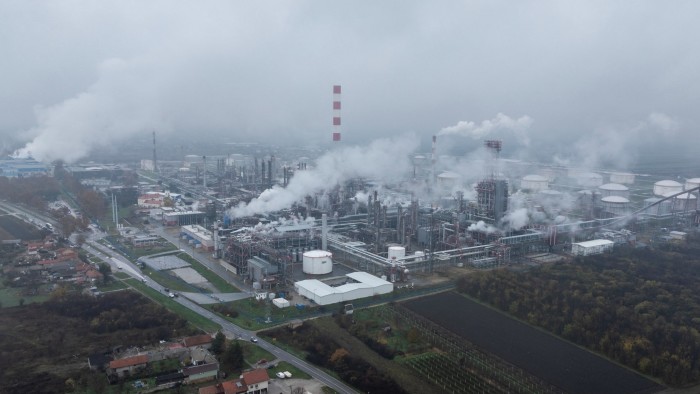
NIS, which supplies the vast majority of Serbia’s oil products, is 56 per cent owned by two Gazprom subsidiaries, mainly Gazprom Neft, with the Belgrade government holding about 30 per cent and the rest with small shareholders.
The sanctions have led to increased tensions between the owners of NIS, two people close to the company said, with Serbian officials becoming increasingly frustrated with the Russian co-owners for repeatedly delaying a sale that could resolve the issue.
“They seemed reluctant to [negotiate] until the very end, even though there was no shortage of potential buyers and plenty of time to figure the deal out,” one of them said.
This attitude had only changed in recent weeks, two people familiar with the discussions said. Yet sources close to the Serbian leadership questioned whether the Russian side was really willing to sell.
In a December 3 statement, Gazprom Neft said NIS was operating “with the full support of the Serbian government” and described their co-operation as “constructive”. The statement made no mention of a possible sale.
The involvement of Adnoc is down to the close relationship between the UAE and Serbia, rather than for strategic or business reasons, said another person familiar with the process.
Adnoc has over the past year attempted some $40bn of international deals via its subsidiary XRG, which is seeking to build a global chemicals, gas and low-carbon business.
But any move for NIS, if successful, would be via the main business rather than XRG, the person suggested.
Serbia’s preference would be to buy the remainder of NIS itself, but their Russian co-owners are reluctant to sell to them, according to two people familiar with the matter.
Belgrade is not keen to go down the path of nationalisation owing to fears of inflaming hostile public opinion.
Serb President Aleksandar Vučić, an ally of the Kremlin, had set a mid-January deadline for Gazprom Neft to sell its stake or face having it put under state administration.
But he also said in a speech last month that Serbia should “avoid nationalisation and confiscation of property at all costs” but offer a higher price for Russia’s stake should the potential deal with a foreign buyer not materialise.
Serbia’s neighbours have faced similar issues since Washington imposed separate sanctions on Russian oil companies Lukoil and Rosneft in October. Lukoil owns vital oil refineries in Bulgaria and Romania, as well as other energy infrastructure in Serbia, Croatia, Montenegro and North Macedonia.
Adnoc declined to comment on the deal. NIS and Gazprom Neft did not reply to a request for comment.
Additional reporting by Marton Dunai
Read the full article here