

At the Thursday night world premier for “Melania,” President Trump told reporters on the red carpet in response to an Iran question: “We have a lot of very big, very powerful ships sailing to Iran right now. And it would be great if we didn’t have to use them. I told them two things; Number one no nuclear. And number two stop killing protesters. … They’re going to have to do something.”
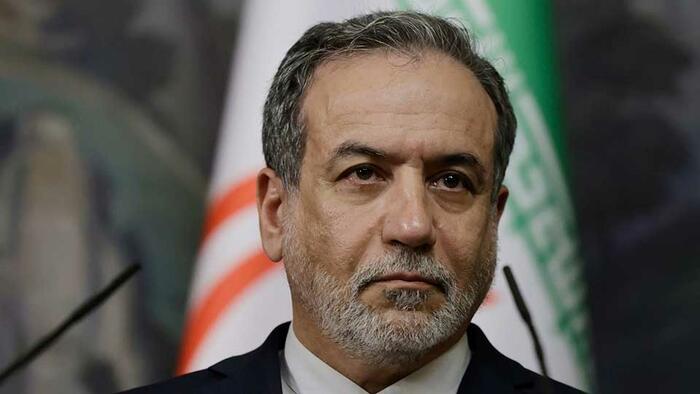
Iranian Foreign Minister Araghchi has on Friday while in Turkey said that his country is ready to engage in negotiations on the nuclear front, as long as they are fair and good-faith. “The United States has repeatedly requested negotiations with us through various intermediaries and continues to renew these requests. We have no problem with engaging in negotiations,” he said.
He then emphasized, “However, negotiations cannot begin with threats. They must set aside their threats.” He noted too that the “US has never been loyal… it hasn’t shown good intentions, but despite this, Iran remains ready for all diplomatic processes.”
This is no doubt a reference to the US unilaterally pulling out of the first JCPOA nuclear deal in 2018; and much more recently the US-Iran dialogue that took place right up to the eve of Washington secretly greenlighting the June Israeli attack on Tehran. Iran thought it was holding good faith talks, but was duped.
A main serious obstacle which stands in the way of potential fresh negotiations is that President Trump has also been talking about Iran reducing or getting rid of its ballistic missile arsenal.
According to the latest on Iran’s expressed position:
- Araghchi said he discussed with Fidan the possible venue and agenda for talks with the Trump administration. “I hope we can soon reach a clear framework that can guarantee dignified negotiations,” Araghchi said.
- “We need to see the conditions and the agenda first,” Araghchi said, adding that any negotiations need to be “fair and equitable.”
- He stressed that Iran will not negotiate over its ballistic missile program and said Iran is ready for both scenarios — war or diplomacy.
Currently, Trump officials are reportedly insisting that Iran be stripped of any missile range capable of striking Israel. Israel, meanwhile, would retain its full missile arsenal – including the undeclared nuclear weapons that everyone in the world knows about – capable of hitting Iran. According to CNN:
The biggest sticking point, sources said, has been the US demand that Iran agree to put limits on the range of its ballistic missiles — an acute concern for Israel, which expended much of its missile interceptor stockpile shooting down Iranian ballistic missiles during last June’s 12-day war. Iran has balked at that and told the US it would only discuss its nuclear program. The US has not replied, leaving both sides at a dead end, the sources said.
Which leaves the so-called “sticking point” glaringly obvious: Washington is demanding that Tehran agree to unilateral disarmament, rendering itself defenseless against Israeli air and missile strikes. In other words, total capitulation – or else.
How dare Iran place their country so close to our military bases https://t.co/I3UBrcToqW
— Carl Zha (@CarlZha) January 29, 2026
And about that supposedly “obliterated” Iranian nuclear program?
It’s not clear why Trump has since shifted his focus back to Iran’s nuclear program, which he said last summer had been “obliterated” by US strikes. But Iran has been trying to rebuild its nuclear sites even deeper underground, according to a person familiar with recent US intelligence on the issue, and has long resisted US pressure to halt its uranium enrichment. The regime has also barred the UN’s nuclear watchdog from inspecting its nuclear sites.
Like with Venezuela before – or even hearkening all the way back to Bush’s Iraq invasion – the justifications for war will keep on shifting, until something sticks in a thinly veiled effort to manufacture consent.
On these negotiation demands, offers, and counter-offers – we’ve all seen this movie before. It’s been a rinse and repeat kind of thing, and Iranian leaders know this better than anyone.
Loading recommendations…
Read the full article here