

Unlock the Editor’s Digest for free
Roula Khalaf, Editor of the FT, selects her favourite stories in this weekly newsletter.
It never occurred to me that a dessert could save lives. Yet South Koreans’ latest obsession — a Dubai chocolate-style chewy cookie — is doing exactly that.
At the start of this year the Korean Red Cross, long troubled by falling donations, began offering donors the small, cocoa-covered treat. The result was immediate: queues formed outside donation centres from early morning in freezing weather. Turnout jumped more than 150 per cent, driven largely by first-time donors. “The impact has been very positive, especially among young women,” says a spokesperson.
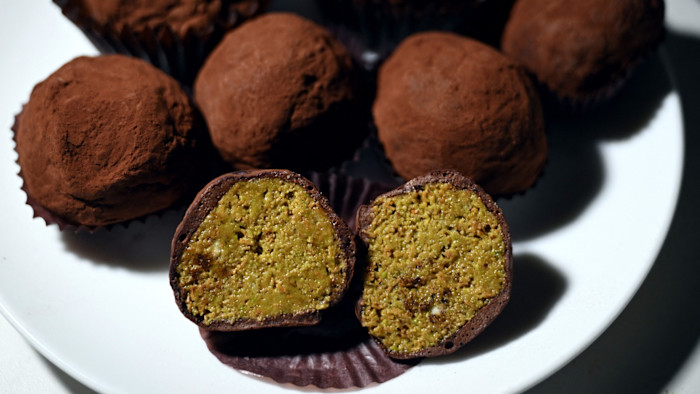
The miracle dessert, known locally by its nickname dujjonku, is a homegrown hybrid that was inspired by the crunchy, pistachio “Dubai chocolate” that went viral in 2023. Stuffed with green pistachio cream mixed with buttery strands of fried knafeh pastry and marshmallow, it is topped with cocoa powder, creating a lingering, chewy texture.
South Korea is particularly prone to viral food crazes. In one of the world’s most densely populated and digitally connected societies, trends spread quickly through social media and often fade just as quickly. The Dubai chewy cookie follows earlier national obsessions with tanghulu fruit candy, oversized cream-filled macarons and Taiwanese castella cake.
This particular craze began when one member of a K-pop girl group, Jang Won-young of IVE, posted a photo last year. Her post turned the cookie into a national obsession. Small bakeries sold out, daily purchase limits were imposed and copycat products proliferated. One developer even created a live online map showing which shops still had inventory.
The frenzy initially strained supply chains, pushing up prices of imported pistachios and marshmallows. But shortages have eased as large bakery chains, convenience stores and restaurants have moved in on the trend. Everywhere from sushi bars to bulgogi shops has begun producing the dessert as a lucrative side business.
BN Kim, a TV producer in her early forties, says she has eaten more than 50. “It was the talk of the town. I had to try it,” she says. Her husband often queued at opening time to secure them. “Every store tastes different, so I wanted to experience as many as possible.”
Kim Se-in, a 29-year-old office worker, says it’s the texture that is addictive. “But I limit myself to one a day because of the calories,” she adds.
I was less convinced. Weighing just 50 grammes and on sale for about Won7,000 ($4.75) each, it seemed overpriced. The sample I bought near the FT’s office tasted closer to sticky rice cake than a traditional cookie — dense and heavy. I did not particularly like it: too chewy, too bitty. One tennis club acquaintance said her dentist had banned it during cavity treatments.
Doctors have sounded alarms. Korea University Guro Hospital has warned they could “immediately disrupt the body’s metabolic balance” and “threaten overall health beyond simple weight gain”.
None of that appears to matter to fans. Lee Jung-won, an employee at the bakery I visited, says companies in the downtown area had bought large quantities as Lunar New Year gifts. “Customers don’t seem to care much about the price,” she says.
Jeon Dahyen, co-author of the bestselling Trend Korea series, thinks the cookie’s appeal lies partly in its visual excess: bright green filling spilling from a cracked shell. “It’s very Instagrammable,” she says. “Fear of missing out is strong in the country’s collectivist culture.”
It may also reflect the economic mood. During slowdowns, consumers often turn to small indulgences. The ratio of Seoul home prices to income has nearly doubled over the past decade. Against that backdrop, a premium cookie becomes a manageable treat, Jeon says. For young people in particular, living in a highly competitive society, affordable luxuries can provide emotional comfort.
Still, she does not expect demand to last long. “Fads continue only while they feel rare,” she says. “Now that big companies have joined, the craze seems to have already peaked.”
The country’s blood banks — and its bakeries — may not get to enjoy the sugar rush for much longer.
[email protected]
Read the full article here