

The Strait of Hormuz closure after US and Israeli strikes on Iran has driven up oil and gas prices, reigniting a debate Brussels thought was settled.
ADVERTISEMENT

ADVERTISEMENT
This new crisis brings Europe’s energy vulnerabilities back into focus. European Commission President Ursula von der Leyen acknowledged the bloc’s dependence, warning that Europe is still too reliant on fossil fuels. Energy ministers across the bloc are now demanding answers.
Europe has faced similar energy insecurity before. Russia’s 2022 invasion of Ukraine abruptly severed pipeline gas supplies the continent had relied on for decades, forcing Brussels to pivot fast and resulting in Europe sourcing 60% of its LNG from the United States.
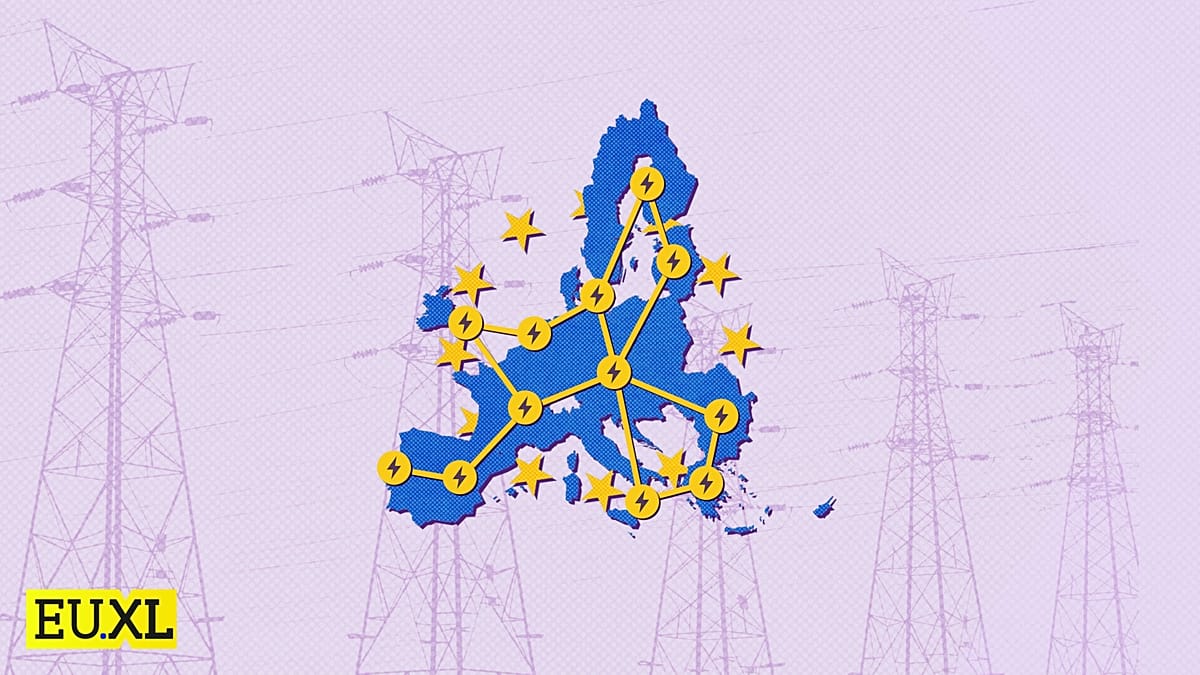
To address these challenges, Brussels has introduced a structural solution. In December 2025, it adopted the EU Grids Package, the most ambitious overhaul of Europe’s energy infrastructure to date. The package allocates €1.2 trillion for grid investment by 2040, targets over 500 gigawatts of new renewable capacity, and establishes eight cross-border “Energy Highways” connecting the Baltic and Iberia.
The strategy is straightforward: increasing domestic power generation reduces reliance on imports through vulnerable routes such as the Hormuz Strait. The Commission wants to have key projects operational before 2030, reflecting the urgency of the current security environment.
Read the full article here