

Receive free IPOs updates
We’ll send you a myFT Daily Digest email rounding up the latest IPOs news every morning.
Craig Coben is a former global head of equity capital markets at Bank of America and now a managing director at Seda Experts.
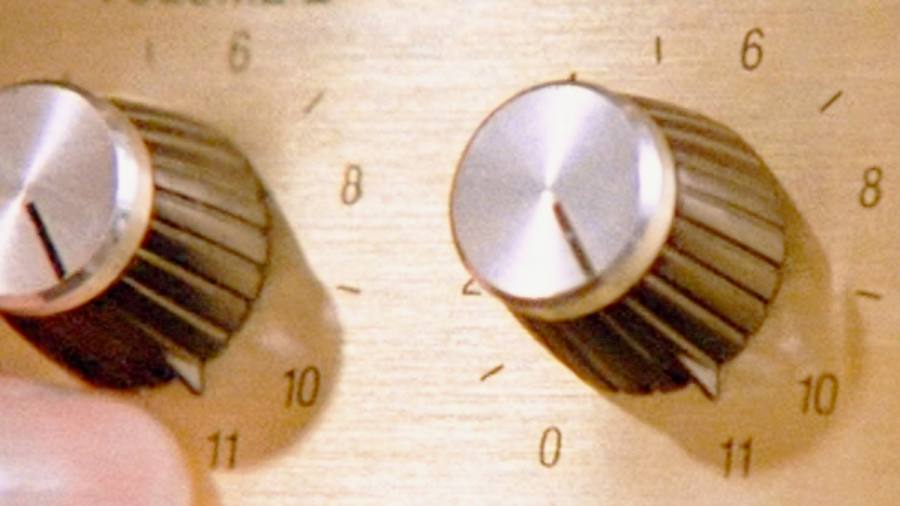
On Friday MainFT reported that Arm’s $5bn IPO is five times oversubscribed. Soon afterwards Reuters reported that the book is actually six times covered. By the time orders close on Wednesday, it might be like the amplifier in Spinal Tap and go to 11. Or more!
Does this mean that the float is a blowout? No. Leaks like this mean nothing. Seriously. Just ignore.
Investors routinely overstate the size of their interest in an IPO. Hedge funds especially. They know that companies and underwriters will favour so-called “long-only” investors in allocating IPO shares, and so they will inflate their order, often at the outset, to give themselves some optionality around the deal. Based on long experience, the bank syndicate desks know they can allocate only a certain percentage of a hedge fund order. Long-only institutions also puff up their interest too, although usually not to the same extent.
So five times, six times, 10 times covered . . . It’s all noise and no signal. What is the quality of that demand? How much can you reasonably allocate? How much after-market buying will there be?
If anything, I would take the leaks as a marginally bearish signal. Why hype a deal if it already has a lot of momentum? You’re just going to generate more inflated orders from ever-spivvier investors.
Real-money investors are doing the work and will subscribe to the IPO if they like the story and price. And this IPO does have a lot going for it. Arm is a high-quality asset, the supply of stock is tight (with a sub-10 per cent free float), and 10 blue-chip tech companies have committed to subscribe as cornerstones (albeit in smallish size). The deal has the undivided attention of equity investors. The debate revolves around valuation, not quality of the company.
It’s amateurish to leak subscription numbers to the media. The norm is for syndicate desks at the lead banks to brief the market orally that the transaction is “multiple times covered” or “oversubscribed”. They might sometimes give a numerical level of oversubscription when order-taking ends, mostly just to manage investor expectations on the likely percentage level of allocation.
But a pre-weekend leak to the press? Hopefully it was an indiscretion from a few of the zillion advisers on the deal and not an intentional communication gambit. Indeed, these whispers raise more questions than they answer. Take this passage in Friday’s story in MainFT (Alphaville’s emphasis below):
Despite investor concerns about a drop in profits in Arm’s most recent quarter amid a smartphone industry slowdown and the company’s exposure to multiple risks in China, advisers working on the Nasdaq listing said there was “little price sensitivity among investors”, many of whom would be forced to buy because of Arm’s inclusion in indices.
Firstly, “little price sensitivity” is weirdly vague. At what price do you have allocable demand? That’s all that matters. Secondly, investors are not buying Arm due to the quasi-coercion of an index. As I wrote in FTAV last month:
As a “foreign private issuer”, Arm will not qualify for inclusion in the S&P 500 and other domestic US indices. Nevertheless, the IPO will command the attention of a broad range of US institutions, even if Arm will for many represent an off-benchmark investment.
If you want to know how well the Arm IPO is going, reading the tea leaves in the media is a waste of time. SoftBank and Arm should tell its “advisers” to stop the leaks and to message the market about deal progress in the usual way. Nobody will be fooled by noise.
Read the full article here