

Today’s agenda: Luxury goods sales slump; BP cost-cutting plan update; former chancellor George Osborne on UK approach on crypto; and the cost of USAID’s closure
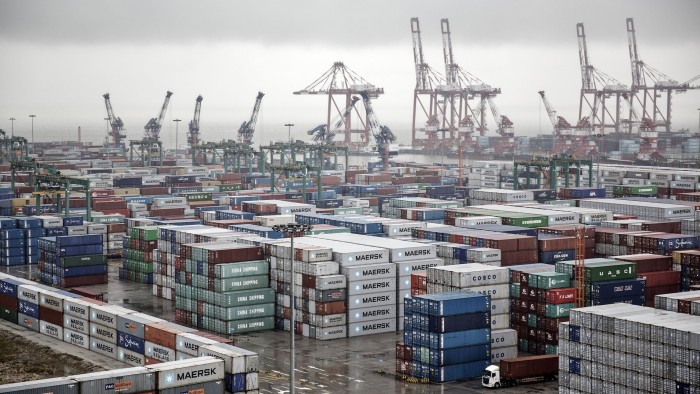
Good morning. We begin in Asia, where Chinese companies are reconsidering investment in offshore factories as planned US tariffs on alternative hubs and new restrictions on “transshipment” force a sweeping rethink of supply chains in the region.
What happened: Washington has slashed additional duties on Chinese goods to 30 per cent amid trade talks with Beijing, and imposed tariffs ranging from 10 to 40 per cent on other countries in the region.
The move has followed Chinese exporters pouring billions of dollars into south-east Asia in recent years as part of a “China plus one” strategy to minimise their exposure to US tariffs in the wake of Trump’s first trade war with Beijing.
For the most part, tariffs on south-east Asian countries remain lower than the average levies on Chinese goods, including pre-existing duties and product-specific tariffs. But Trump’s tariff barrage has reoriented the region’s commercial landscape, eating into manufacturers’ margins and undercutting their incentives to invest in moving production away from China. William Langley has more from Guangzhou.
Here’s what else we’re keeping tabs on today:
-
Economic data: In the US, the Conference Board employment index and June durable goods orders data are released.
-
Egypt: Senate elections kick off.
-
US: Several thousand Boeing defence workers are set to go on strike today.
-
Results: Clarksons, Loews, ON Semiconductor and Palantir report earnings.
See our Week Ahead newsletter for the full list.
Five more top stories
1. Sharp declines in tourist spending on luxury goods in Japan and Europe are dragging on industry sales, as currency swings sap the spending power of American and Chinese travellers overseas. The sales slump poses another challenge for a sector grappling with the end of a multiyear boom and the fallout from US tariffs. Adrienne Klasa has more.
2. Exclusive: BP will reveal tomorrow its progress on a $5bn cost-cutting plan, as activist investor Elliott Management increases pressure on the energy major to rein in operating expenses more aggressively. Read the full report.
3. Plastic pollution is a “grave, growing and under-recognised danger to human health”, a group of 27 experts warned ahead of a UN conference this week to negotiate a global plastics treaty. Plastics were causing extensive disease “at every stage of human life”, with infants and young children particularly vulnerable, the scientists and doctors said.
4. George Osborne has launched a withering attack on the Labour government’s approach to cryptocurrency in an article published in the Financial Times. The former Conservative chancellor, who is also a global advisory council member of US crypto-exchange Coinbase, said chancellor Rachel Reeves and Bank of England governor Andrew Bailey were leaving Britain in the slow lane.
-
More UK news: Splits on the Monetary Policy Committee will prevent the Bank of England from giving a clear outlook on rates, economists have said.
5. Italian finance minister Giancarlo Giorgetti has called for a national agency to help cities recover outstanding taxes and other delinquent fees such as unpaid parking fines. The push comes as many Italian municipalities are struggling to cover recurring expenses, due to high energy costs and public sector pay rises. Amy Kazmin has the details.
The Big Read
The abrupt withdrawal of American funding has stranded millions of patients and shattered life-saving programmes in Africa, Asia and Latin America. The pullback in support will have long-lasting effects on many countries for years to come. David Pilling reports from Matsapha, Eswatini, on the costs of USAID’s closure.
We’re also reading . . .
-
Broadband investment: Singapore’s GIC is set to take a 25 per cent stake worth about €1.4bn in a fibre optic broadband venture between MasOrange and Vodafone Spain.
-
Populism wave: From Chile to Japan, in different ways, the siren call of populism is striking a chord. Alec Russell points to Romania for a brush-up course on how to respond.
-
AI job wipeout: Companies are preparing for a time when there might be less tasks for their employees and to shift to a leaner workforce. But are tiny teams necessarily better, asks Anjli Raval.
-
Pilots’ mental health: Strict monitoring of psychological conditions is meant to protect passengers, but some aviators say it stops them from seeking help.
Chart of the day
British tourists are shunning classic summer hotspots in southern Europe, preferring to travel abroad later in the year when there is less risk of heatwaves or wildfires, the industry says.
Take a break from the news . . .
Is it still worth buying a flat in London? It’s the question one buying agent is repeatedly being asked right now. Here is her advice to those eyeing a slice of property in the UK capital.
Read the full article here