
US-South Korea trade tensions flare over treatment of American tech firms including Coupang

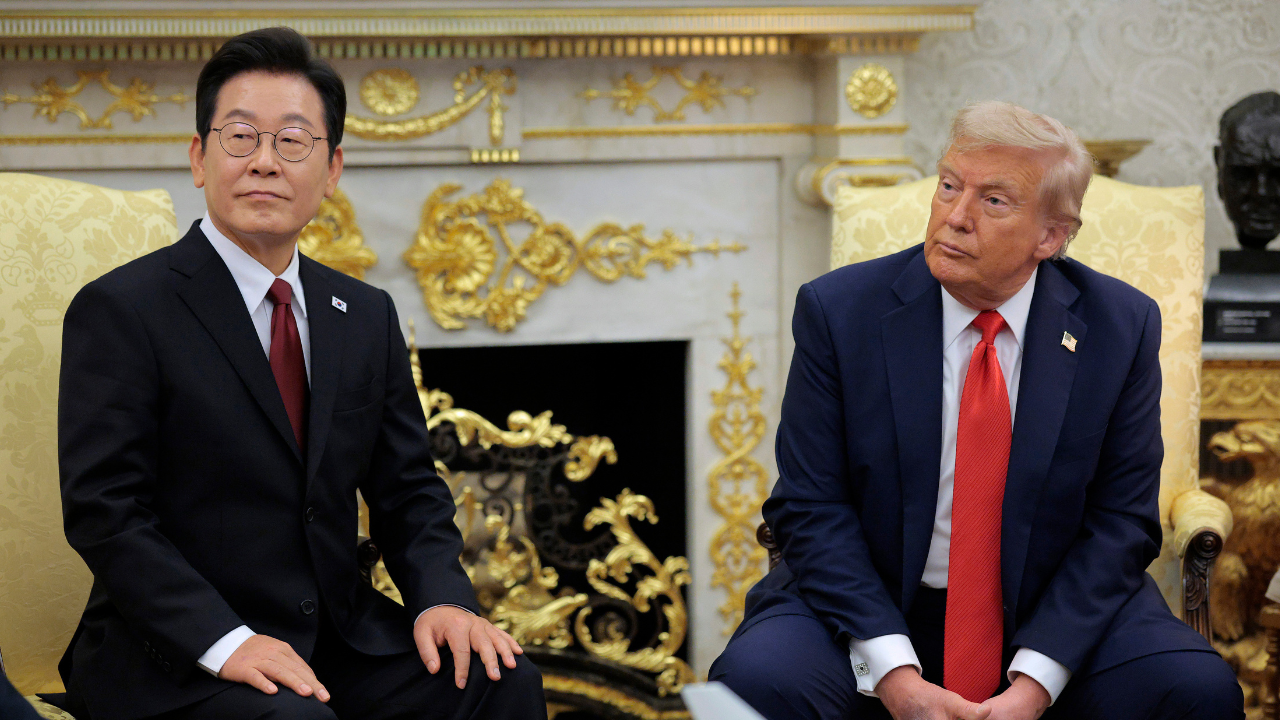
A growing dispute between Washington and Seoul over the treatment of American technology companies has escalated into a broader trade confrontation. A White House official told FOX Business on background that South Korea secured lower tariffs under a trade agreement with the Trump administration but has failed to follow through on its obligations.
“The simple reality is that South Korea reached a deal with the Trump administration to secure lower tariffs,” the official said. “While the President lowered tariffs on Korea, the Koreans have made no progress on fulfilling their end of the bargain.”
Coupang, a Seattle-headquartered e-commerce company listed on the New York Stock Exchange, has emerged as one of the most visible examples cited by U.S. officials, lawmakers and investors as scrutiny of South Korea’s regulatory environment has intensified.
SENATE REPUBLICANS DEFY VANCE’S WARNING, VOTE TO BLOCK TRUMP’S BRAZIL TARIFFS AMID SHUTDOWN
In recent weeks, investors in Coupang, including major U.S. investment firms, have initiated arbitration proceedings against the South Korean government under trade agreement mechanisms, alleging that regulatory actions have harmed the company’s business and market value.
The investor action helped draw wider attention in Washington to concerns that American companies may face unequal treatment under South Korea’s regulatory system.
The White House official stressed that the administration’s concerns extend beyond any single company.
“Our issues regarding the ROK’s ongoing discrimination against leading U.S. digital platform and related service providers is longstanding and remains an area of concern irrespective of the ongoing Coupang case,” the official said.
The issue has also drawn bipartisan scrutiny on Capitol Hill.
AMERICA’S ALLIES ARE FINALLY PAYING THEIR FAIR SHARE FOR DEFENSE. NOW THEY MUST PAY THEIR BILLS
During a Jan. 13 House Ways and Means Trade Subcommittee hearing, lawmakers from both parties warned that Korean regulators were targeting American firms in ways that could violate U.S. trade commitments.
“Unfortunately, it’s my observation that Korea continues to pursue legislative efforts explicitly targeting U.S. companies,” committee chairman Adrian Smith, R-Neb., said. “One example would be Coupang through discriminatory regulatory actions.”
Rep. Suzan DelBene, D-Wash., echoed those concerns, “I’m hearing from companies in my home state of Washington, like Coupang, [Korean] regulators are already violating [the trade deal] commitments,” DelBene said.
Only later did the dispute escalate into direct trade action. In a Truth Social post this week, President Donald Trump said the United States would increase tariffs on South Korean autos, lumber, pharmaceuticals and other goods from 15% to 25%, citing Seoul’s failure to enact the trade agreement finalized in 2025.
“South Korea’s Legislature is not living up to its Deal with the United States,” Trump wrote, adding that the agreement was reached on July 30, 2025, and reaffirmed during his visit to South Korea in October.
The trade pact includes explicit language aimed at preventing discriminatory treatment of U.S. companies, particularly in the technology sector.
CLICK HERE TO GET FOX BUSINESS ON THE GO
Officials argue that discriminatory pressure on American companies, even by close allies, undermines the economic foundation of security partnerships at a time when Washington is asking Indo-Pacific allies to assume greater responsibility in countering China.
That theme was echoed this week by Undersecretary of War for Policy Elbridge Colby during remarks in Seoul. “For too long, the security of key regions rested disproportionately on American resolve and contributions while many allies underinvested in their own defense,” Colby said on Monday, “That imbalance is neither fair nor sustainable… Alliances are strongest when they are based on shared responsibility rather than permanent dependency,” he said.
FOX Business reached out to the South Korean embassy and its foreign affairs ministry for comment but did not receive a response by publication.
Read the full article here