

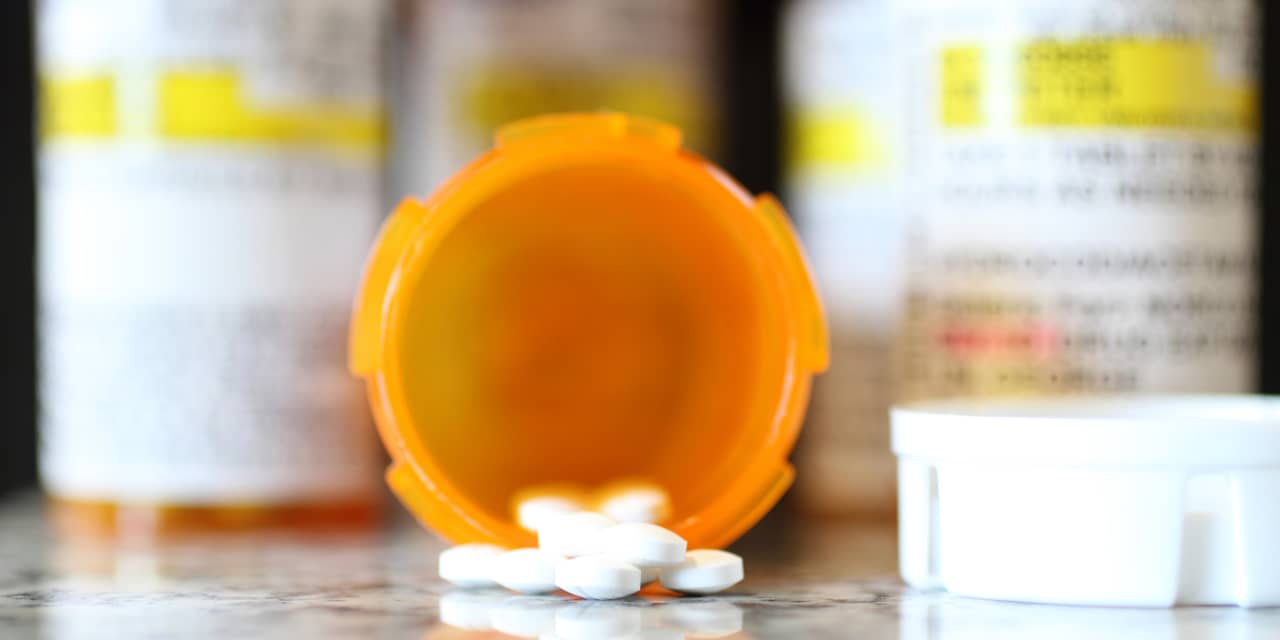
For most of big pharma, 2023 was a year to forget.
While the
S&P 500
climbed by 24% over the course of the year, the
S&P 500 Pharmaceuticals industry index,
which tracks large-cap U.S. pharma stocks, was down 2.2%.
This week offers a shot at redemption for the beleaguered sector, as just about every big pharma company, with the exception of standout
Eli Lilly,
reports fourth-quarter earnings.
The earnings reports come at an uneasy time for the sector. The companies face looming patent expirations, plus a new Medicare price-negotiation program that will slash the revenue of some of their top-selling products.
Meanwhile, many of the companies have only recently shed ancillary businesses, such as consumer-health and generic-drug divisions, which offered some earnings stability when their core biopharma divisions faced challenges.
That leaves virtually all of the companies with something to prove this week, as they lay out expectations for 2024, and make their cases to analysts about prospects for the coming year.
Late 2023 saw a surge in acquisitions by big pharma companies, including
Pfizer’s
$43 billion deal to buy cancer drugmaker Seagen, completed in December. Investors will be listening to hear about the outlook for additional M&A this year, and for reassurance in the face of the expected drop-offs in revenue that face most of the companies.
The schedule for the week is packed. Tuesday brings Pfizer earnings, while Wednesday will see reports from
Novo Nordisk,
Novartis,
and
GSK.
Thursday will see
Sanofi
and
Merck
earnings, while Friday is
Bristol Myers Squibb’s
report.
Johnson & Johnson
reported last week. Their results met expectations, and set off no alarm bells about the earnings season to come, though shares fell 1.6% on the day they reported.
In 2023, the rule of thumb in the industry was that if your company had one of the hot new obesity treatments, investors couldn’t get enough. Otherwise, you were toast. While Lilly, which sells the anti-obesity injection Zepbound, jumped 59.3% in 2023, and Novo Nordisk, which sells competing medicine Wegovy, gained 52.9%.
But Pfizer shares tumbled 43.8% in 2023, while Bristol Myers Squibb shares dropped 28.7%. Others didn’t end the year that deeply in the red, with Merck stock slipping 1.7%, and Sanofi and GSK shares actually logged gains of 2.7% and 5.7%, respectively. Shares of Novartis came the closest to keeping pace with the broader market, climbing 17.6%.
The underperformance amounts to something of an identity crisis for larger pharmaceutical companies.
No large-cap pharma stocks have outperformed the S&P 500 over a five-, 10-, 15-, or even 20-year window, apart from Lilly and Novo Nordisk, which have trounced the index in those periods.
The abysmal performance in 2023 drives home the point that big pharma for the most part hasn’t been a great investment over the long term; that investors understand very well the problems that face the industry; and that they have little interest in backing any but the hottest players.
On conference calls this week, executives will be doing their best to get investors back on board. This week, it’s all on them.
Write to Josh Nathan-Kazis at [email protected]
Read the full article here