

India is hot. Equity valuations are at their highest level since 2007, says Rajat Agarwal, Asia equity strategist at Société Générale. Tech stocks are hot everywhere. That’s an ideal recipe for initial public offerings from Indian tech companies.
The last batch didn’t come out so well. Indian unicorns led by food deliverer
Zomato
and online financier Paytm came to market at exuberant 2021 prices, then nosedived in the tech wreck of 2022.
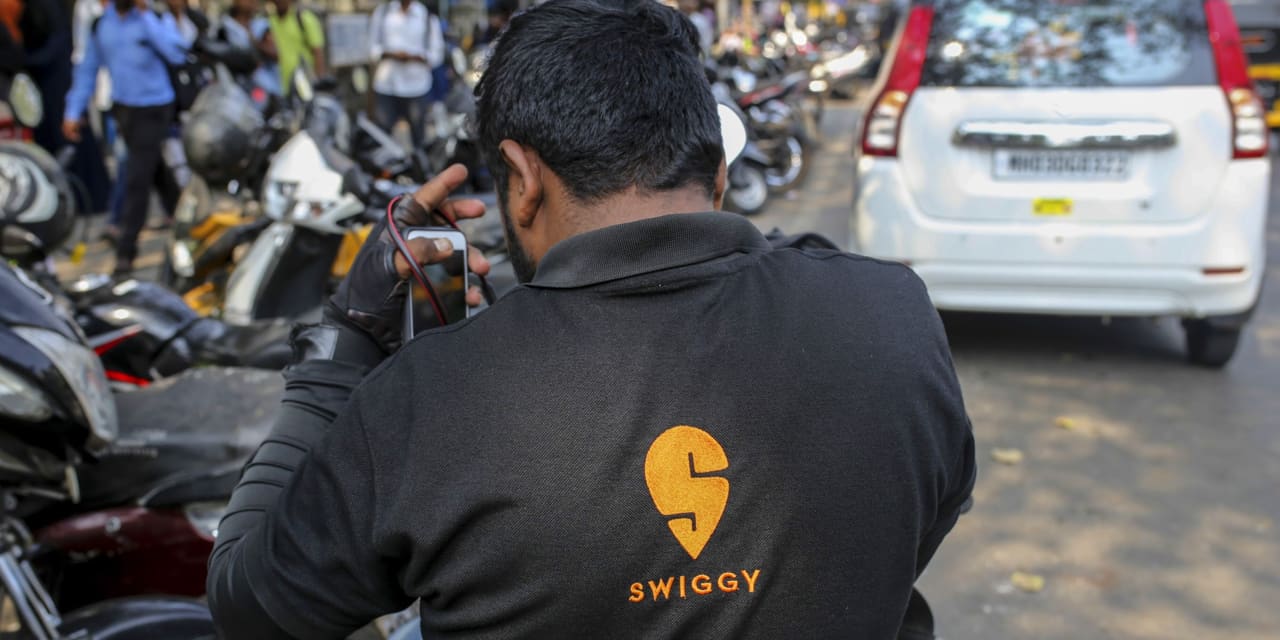
The reported class of 2024 leaders include Swiggy, Zomato’s top competitor, and FirstCry, a retailer that combines e-commerce with physical stores. Could this time be different?
Maybe. India should, in theory, be a promised land for digital disrupters. Most of its 1.4 billion consumers never shopped at a big-box store or set foot in a bank branch. Online providers have the perfect opportunity to “leapfrog.” Incomes and internet connectivity are both growing fast.
There’s plenty of blank space in investors’ portfolios, too, argues Aashish Agarwal, India country head for Jefferies. “The Indian internet space accounts for 1% or less of market cap,” he says. “That’s far from overcrowded.”
Matthew Culley, an emerging markets portfolio manager at Janus Henderson, is excited about the IPO pipeline. “We are very interested in a lot of these companies,” he says. “They can bring supply to parts of the country that never had supply.”
None of this year’s IPO prospects has named a price yet, however. Experience indicates they will shoot too high, says Venkat Pasupuleti, portfolio co-manager for India at Dalton Investments.
“Indian IPOs have never worked out for a long-term investor like us,” he says. “They usually pad their financials with all sorts of financial engineering beforehand.”
Providers of online financial services also face rigorous post-IPO regulation, as Paytm discovered the hard way. The Reserve Bank of India halted new deposits into the fintech earlier this month, and the antifraud agency is reportedly digging into its foreign-exchange operations.
Paytm’s shares have lost 75% since coming to market—not a good look for fintechs in the pipeline like PhonePE or MobiKwik.
Zomato’s story is happier. Shares have tripled over the past year, regaining their late-2021 peak. One driver is Zomato Everyday, a new service offering “home cooked” meals. The stock can run further, Jefferies’ Agarwal predicts. “We have very high conviction on this company,” he adds.
SocGen’s Agarwal detects a pattern here. “Consumer tech companies are finding a path to profitability relatively quicker than fintech companies,” he says.
Nykaa, a digital beauty-oriented retailer that went public in 2021, is executing well despite its stock being down 60%, Janus Henderson’s Culley says. “Nykaa has been highly successful in building out a beauty business without an incumbent Sephora to compete with,” he says.
Dalton’s Pasupuleti is sticking with established names in finance, such as ICICI Bank and Axis Bank. These are largely owned by foreign investors, whose enthusiasm is more cautious than domestic savers first discovering stocks. He also likes India’s stalwart software outsourcers. Orders from their best customers, U.S. banks, should increase as the Federal Reserve cuts interest rates, he predicts.
Virtually all investors agree on India’s rosy macroeconomic outlook, which should be bolstered by Prime Minister Narendra Modi’s election to a third term this spring. The question is what multiple that outlook deserves, particularly for market newbies.
“Companies that IPO today have more balanced expectations,” Culley says. “But that discipline may slip as the excitement builds.”
Email: [email protected]
Read the full article here