

Consumer prices as measured by the personal-consumption expenditures price index fell for the first time in more than three years.
But don’t get too excited: Cooling energy prices, known to be volatile, are a main driver behind the disinflation.
The headline personal-consumption expenditures price index slid by 0.1% in November from the previous month, marking the first decline in prices since April 2020. The index is still 2.6% higher than one year ago and the core index, which strips out energy and food prices because of their volatility and is thus viewed as a better gauge of inflation by the Federal Reserve, rose by 3.2% year over year.
That’s still above the Fed’s goal of 2% inflation, but it’s inching closer as the core PCE index has fallen from its peak of 5.6% in February 2022.
Inflation’s retreat has been uneven. Prices for goods have declined since September and dropped 0.7% in November from the previous month. Prices for services, on the other hand, have risen, advancing 0.2% in November compared with October.
Falling energy prices—down 5.6% from the previous month in November and 10% below the year-ago level—have contributed a lot to the reversal in inflation. Fuel oil, mostly used for heating, is now 25% cheaper than it was a year ago. Excluding energy prices, the PCE index remained flat in November compared with October.
Prices of household and recreational goods have also come down a lot. Home appliances like televisions and computers, particularly, are now much cheaper than a year ago. Other items that have seen notable price declines last month include clocks, lamps, carpets, and tableware.
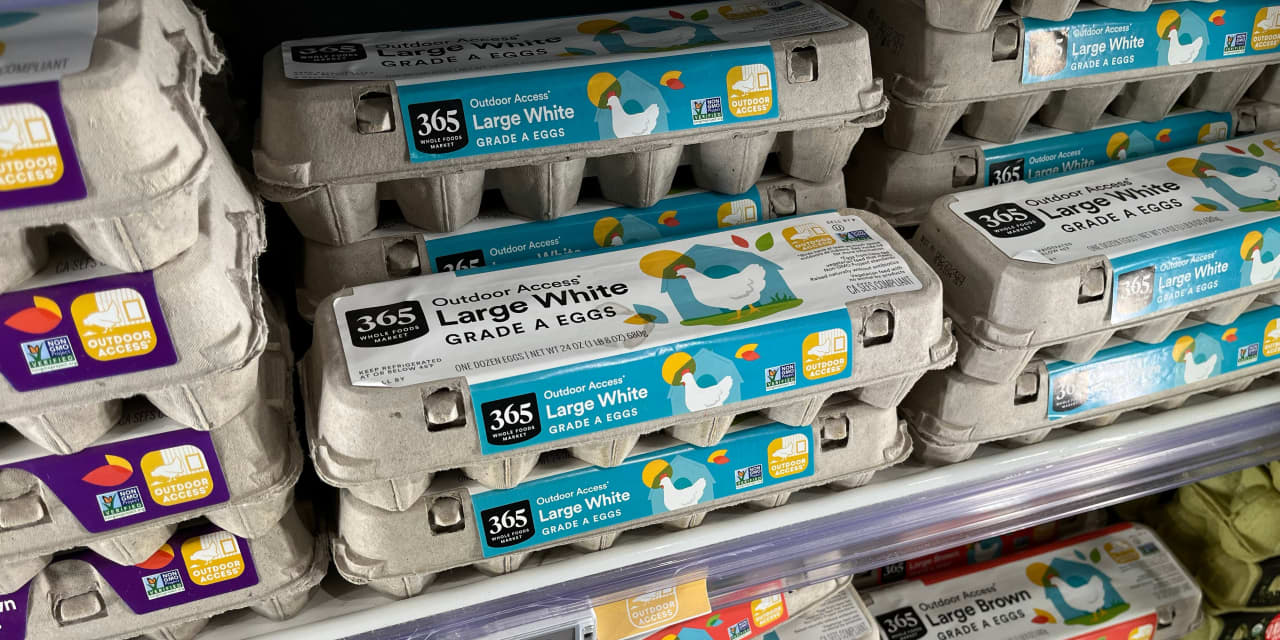
Although food prices are still 1.8% higher than one year ago, they have dropped 0.1% from the previous month. Food items bought at grocery stores whose prices declined a lot in November include meat and poultry, processed dairy, vegetables, and fruits, as well as alcoholic beverages.
The easing price pressures and a resilient labor market have given many investors hope that inflation could get under control without the economy falling into recession—a so-called soft landing. Earlier this month, the Fed projected it will start cutting interest rates next year as inflation continues to cool.
Write to Evie Liu at [email protected]
Read the full article here