

By Chris Hayes
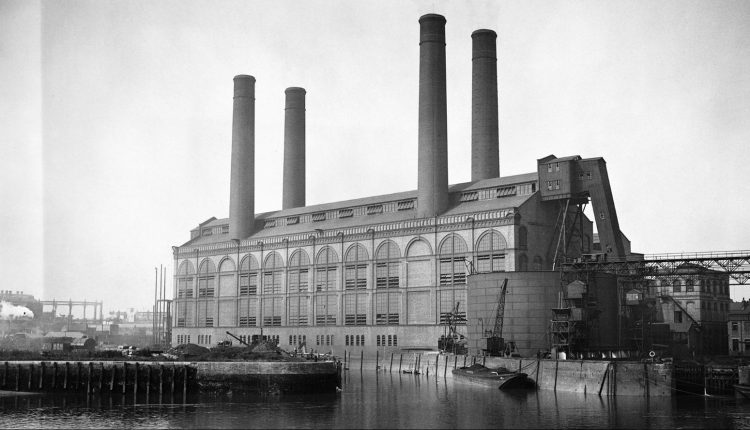
Chelsea’s Powerhouse stands as a striking example of London’s habit of reinventing its architectural past. Designed by American engineer James Russell Chapman, it was the world’s largest power station (pictured above) when completed in 1902. After its turbines were switched off in 2002, the structure was reborn as a bold residential conversion — part of a wider trend transforming industrial landmarks in cities worldwide.
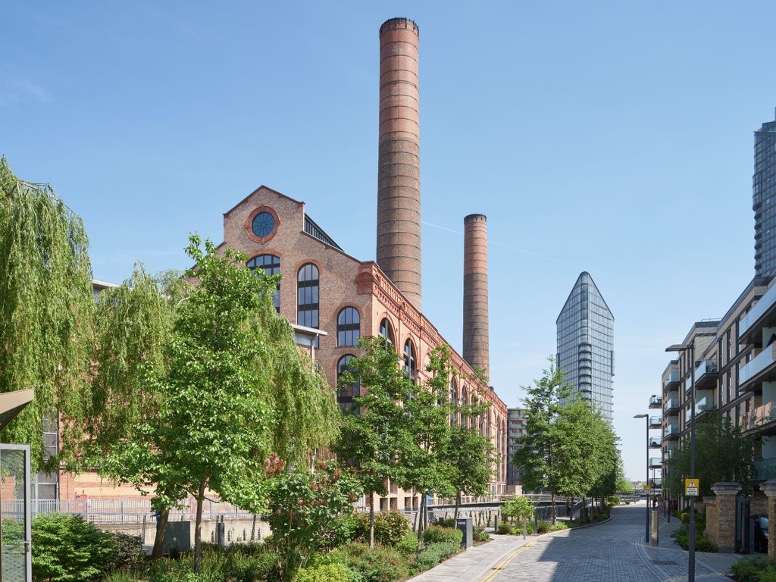
The same architect responsible for the nearby MI6 building, Terry Farrell, was behind its master plan, and something of that building’s sheer scale is present here too. Set on an 11.3-acre site within the imposing former Lots Road Power Station, with its twin towering chimneys, the building is a London landmark set alongside 600 meters of river frontage. The immense construction of concrete, brick and steel is now home to a series of residential apartments. One example is 39 Lots Road, a four-bedroom flat whose windows are defined by the attractive, curved arch that lends so much character to the building’s facade.
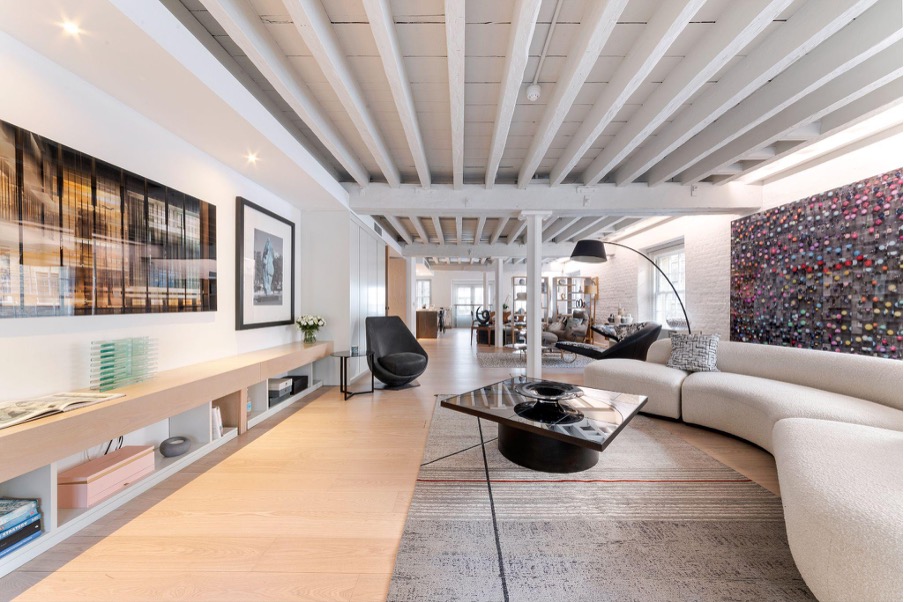
As a port city that was once the heart of a global empire, London’s warehouses provide a formative part of its history. New Street, a short walk from Liverpool Street station, is a former warehouse that was originally built in the 18th century by the East India Company. Recently converted into 14 warehouse apartments, it embodies the main perk that warehouse conversions have become known for: space. With a wide open floor plan and large windows, its unfussy architecture was designed for function, eschewing ornamental distractions and tight, twisting corridors. The materials — exposed brick and wooden ceiling beams — provide interest and texture.
For Deanna Wheeler at Barge Wharf, in Limehouse, a property she’s lived in for about 18 years, she faced a unique challenge. “When I moved in, it had already been converted a few years earlier,” she says, noting how it didn’t align with her taste or make the best use of space. The previous layout seemed to go against what warehouse living promised. Spread across three levels, the space didn’t flow; “It had a pokey hall and narrow staircases.” She and her husband worked to make changes, reducing the number of bedrooms — from four to two — to achieve a much more open circulation.
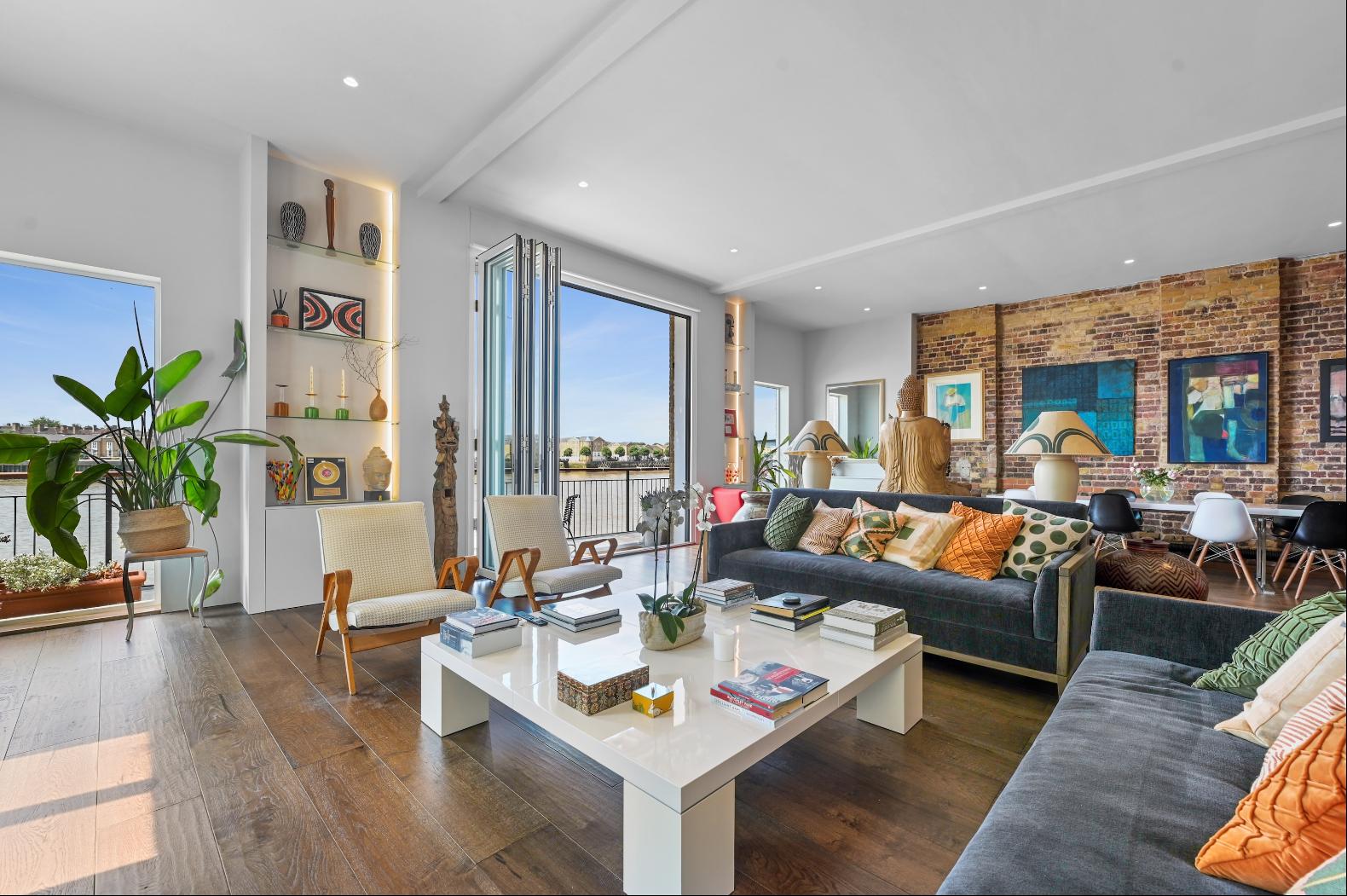
Barge Wharf sits on a street of Georgian houses, and has its own private terrace with easy access to the foreshore of the river Thames. Working with architect Laurence Quinn, the property was completely reconfigured. A lot of effort was put into revealing the charm that laid beneath the previous owners’ changes, which included plasterboarding over the original features. “We found old archways, blocked-up windows — the history of the building written in its fabric,” Helena says.
Its proximity to the Thames is a major part of the property’s appeal, especially for half-Belgian Helena who spent a lot of time in another dock city, Antwerp, when growing up. A focus of the renovation process was to expand the windows, extending them from the ground to the ceiling to ensure maximum views of the river. “Now everywhere you look, you see the river — or there’s a mirror strategically placed to catch it.” The industry surrounding the river that once justified the warehouses has faded, but the appeal of living beside it carries on.
Photography: Getty Images; Savills
Read the full article here