


By Philippa Thorp
When approaching new-build homes, I focus on transforming commercially designed structures into places that have character. Design is not only aesthetic but inherently cultural. Drawing on local influences — through colour, texture, materials and craft — adds the warmth and personality often missing from new-build spaces.
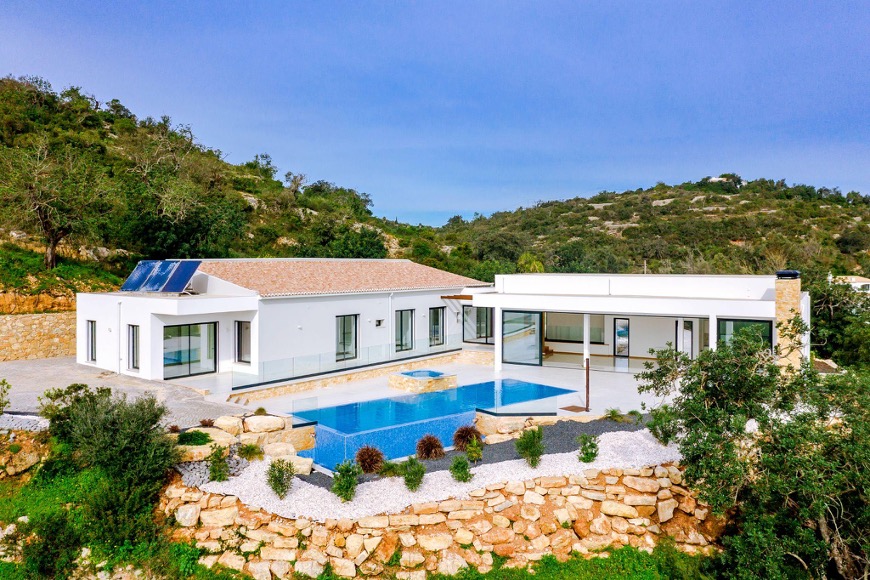
At a recent project in Lake Como I used local artisans and materials to ground the design within its geographical context. Here I’ll share six key tips for bringing soul and depth to this central Algarve villa, on the market for €2.9mn. This four-bedroom family home has plenty of potential; I’d want to soften the sharp lines and anchor the property to its surroundings.
Embrace the local influence
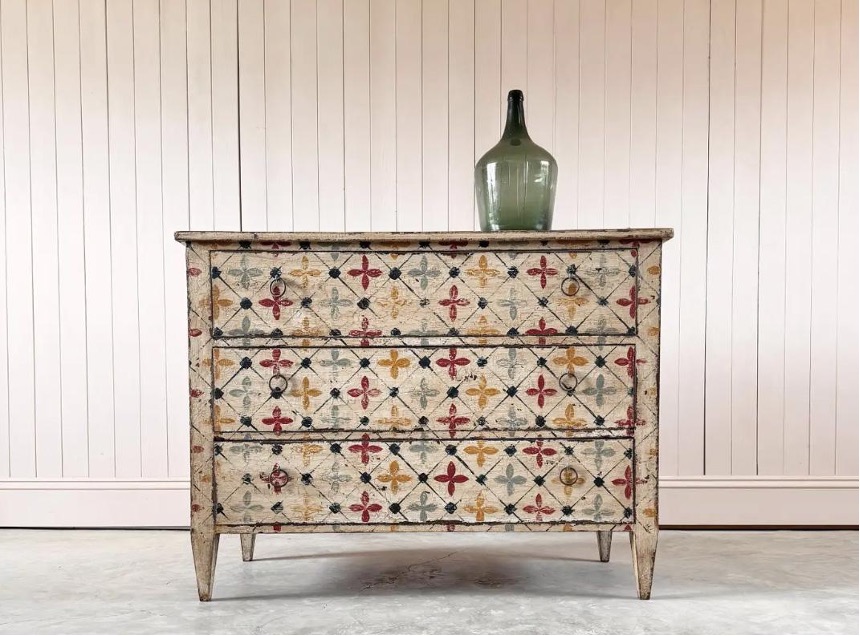
I would start with traditional furniture from the region of Alentejo — celebrated for its bold colours and floral motifs. A single statement piece such as a sideboard or set of doors can enhance a room without overwhelming it. This hand-painted chest of drawers dates to the 19th century and would work well, introducing craftsmanship to the home.
Architectural materials and colour
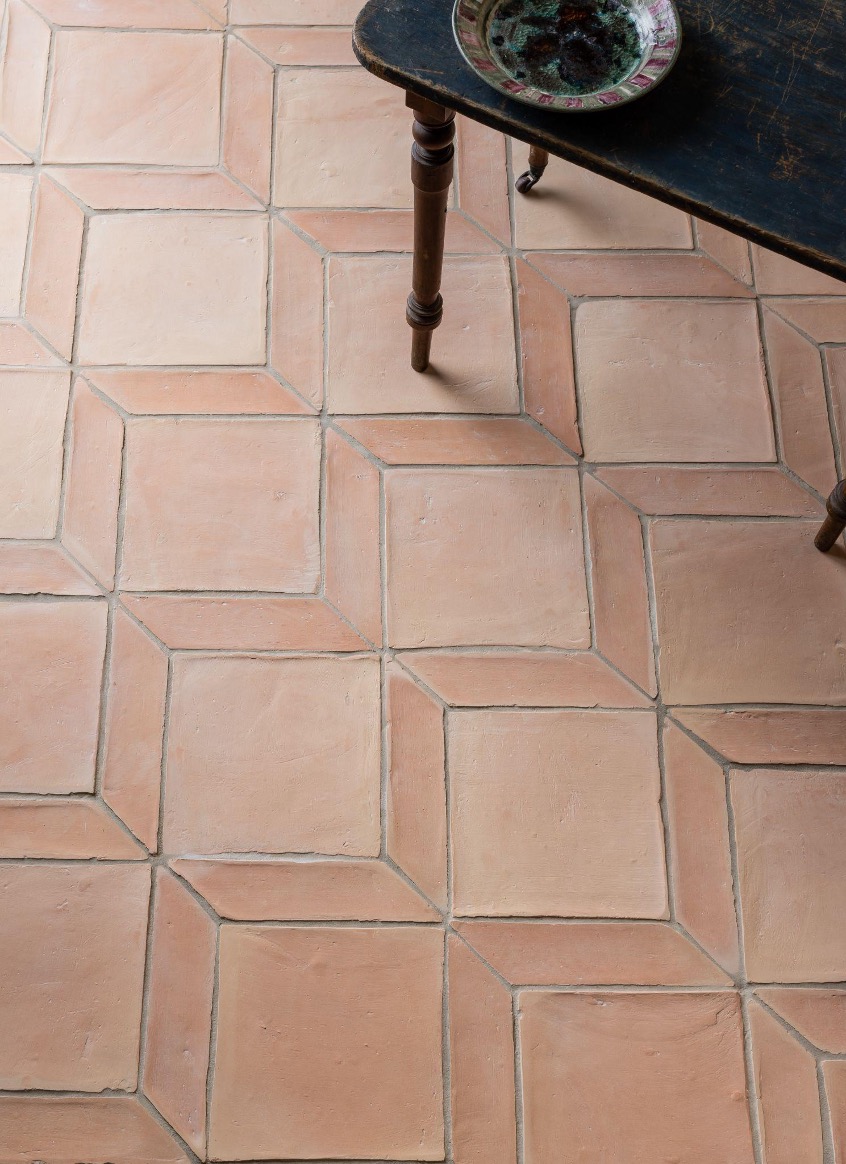
New-builds can feel stark, but natural materials add softness and visual warmth. Weathered timber ceilings, terracotta stone floors and limewashed walls help diffuse light and create a more inviting atmosphere. In the Algarve, rough lime renders can be subtly tinted with natural earth pigments such as terracotta ochre, dusty sage or cobalt blue sourced from the local landscape. These natural tones feel more sympathetic and settle beautifully into their environment, making the architecture feel rooted in place. I’d look to the Hotel Vermelho in Melides for inspiration and perhaps opt for these terracotta tiles for the floor.
Pattern and motif
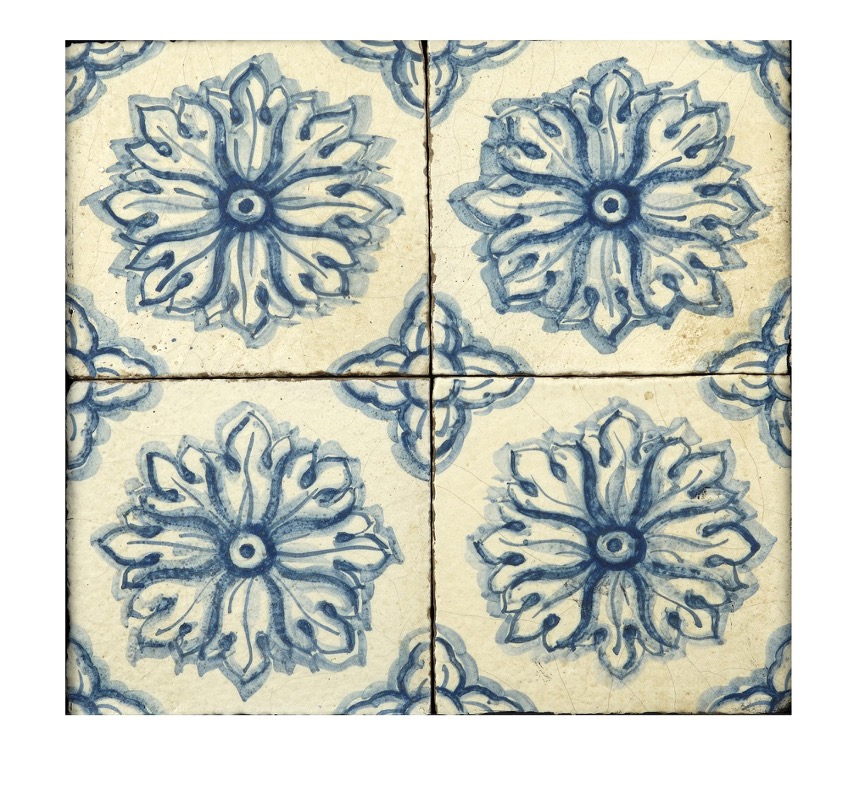
Portugal has a rich tradition of decorative pattern, from handwoven textiles to hand-painted tiles. I prefer to introduce patterns through artisanal details rather than overwhelming prints. A visit to the Igreja da Misericórdia church in the town of Évora, Alentejo, provides the inspiration for choosing these majolica tiles. The soft white background paired with uplifting blue accents references the azulejos (tiles) seen throughout the region.
Indoor/outdoor living
The garden should feel like a true extension of the home. Outdoor spaces need to be both functional and atmospheric, divided into “rooms” for sitting, dining and entertaining. Native planting such as olive trees and climbing vines add natural shade and movement, while timber pergolas help define areas and support year-round outdoor living.
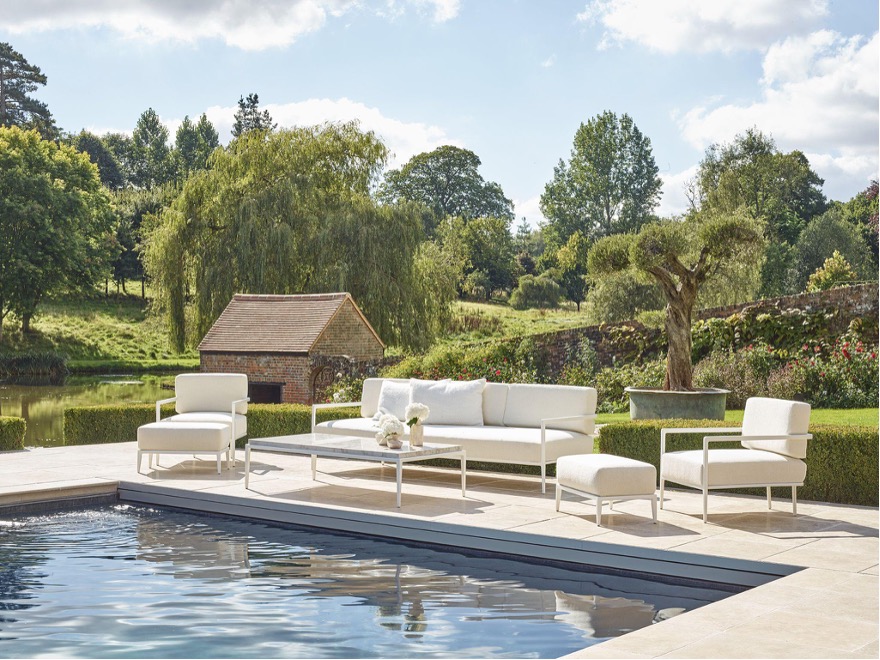
At a recent Thorp project in Cap Ferrat a bespoke pergola, outdoor fireplace and reconfigured terrace created a seamless transition from house to pool. Harsh features such as a stone-clad Jacuzzi were softened to blend effortlessly with the landscape, an approach that would also help here. Outdoor furniture from Fiona Barratt-Campbell, pictured below in a pale finish, would work well in this setting with a bronze powder coating.
Displaying ceramics
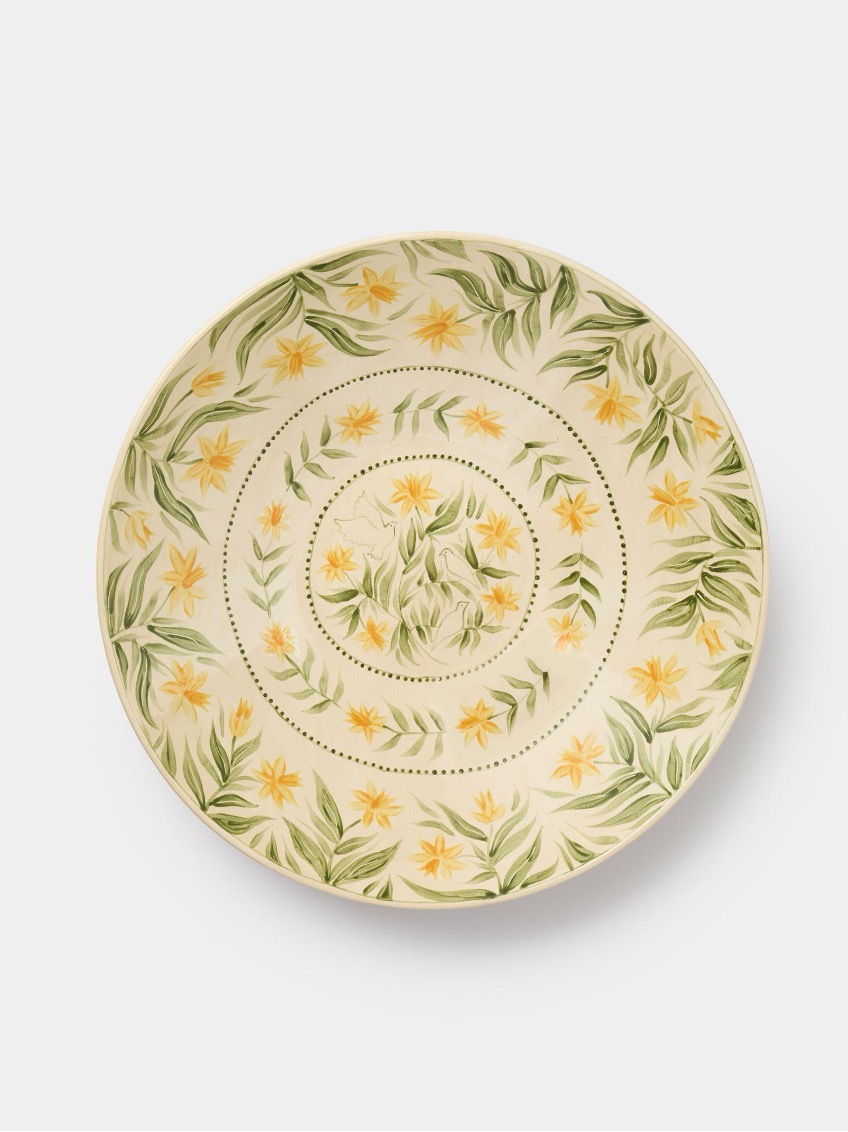
Portugal’s ceramic tradition is one of its richest cultural exports and its hand-thrown and hand-painted works are imbued with regional identity. We might take a series of ceramic bowls such as this one, hand-painted by Rosanna Corfe, to mount as a curated wall installation, varying in size, glaze and tone to create a layered, textural focal point.
Softening spaces
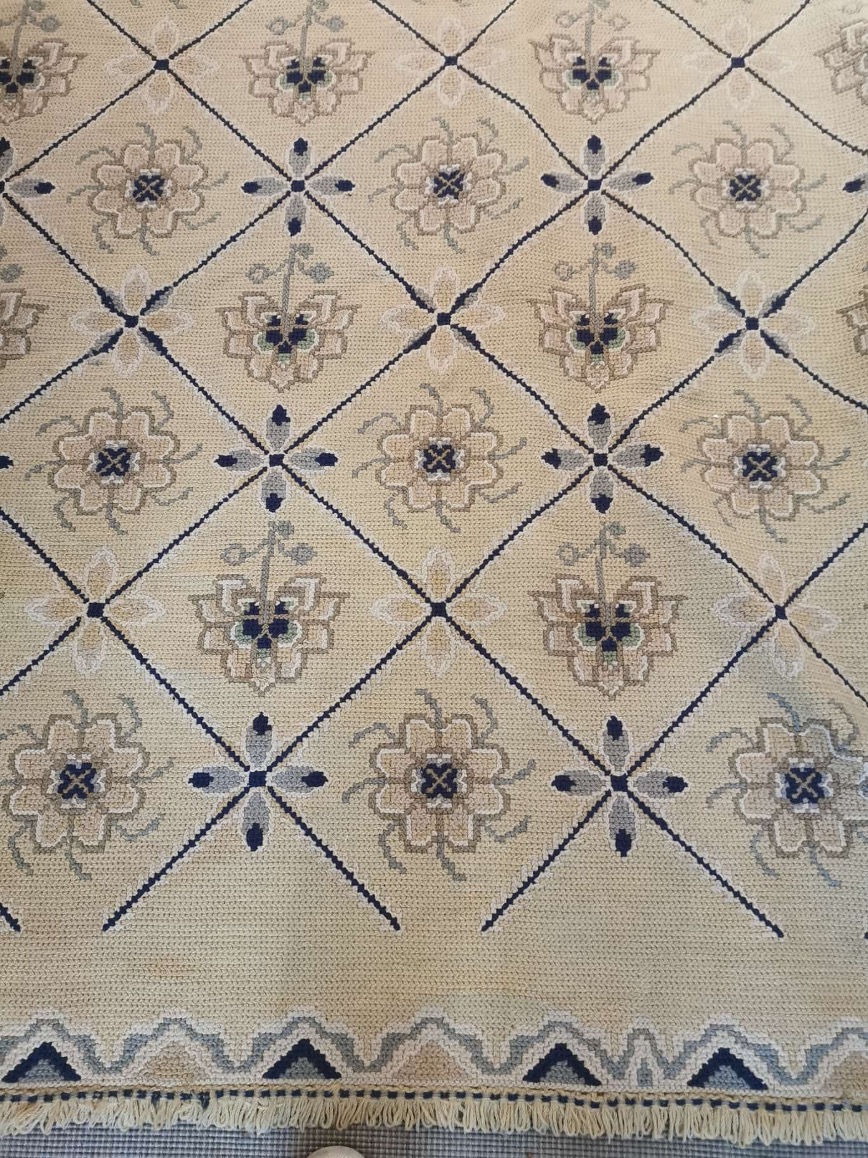
To introduce warmth, texture and acoustic comfort, I often begin a room scheme with a rug. This piece, crafted from antique textiles, is a prime example; its palette subtly echoes the surrounding landscape, grounding the interior in its setting. It brings not only visual richness but also a sense of heritage and craftsmanship.
Photography: Fbc-london; Thorp Design; 1st Dibs; Abask; Arte mest; Savills; Mandarin Stone
Read the full article here