

By Isaac Zamet
The Bajío is a lowland area that sits in the centre of Mexico, running from Mexico City to the mountainous mining regions in the north. Perched within that area, in the east of the region of Querétaro, is San Miguel de Allende, a historic town that, in contrast with the rest of the plain, sits an impressive 1,900 metres above sea level.
Founded in 1542 by Franciscan friar Juan de San Miguel, the town’s first era was as a mission and key colonial outpost on the silver export route between Zacatecas and Mexico City. Its spires rose during the Chichimeca war — a decades-long strife between colonial Spain and the indigenous peoples of the Bajío. Later, the town was renamed in honour of Ignacio Allende, a local-born army captain who was a hero of Mexico’s war of independence. San Miguel still carries a sense of that history.
In the 20th century, the GI bill, which helped subsidise education for US soldiers returning from the second world war, saw thousands of young foreigners travel to San Miguel for a second time; drawn, on this occasion, to study — especially art, at the Escuela de Bellas Artes. This turned the town into a hub for an international set of painters, poets and creatives.
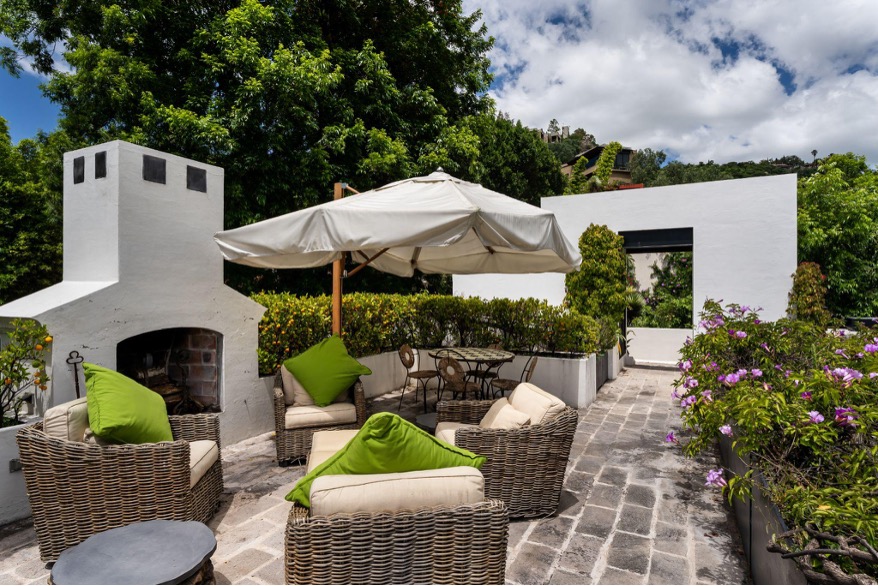
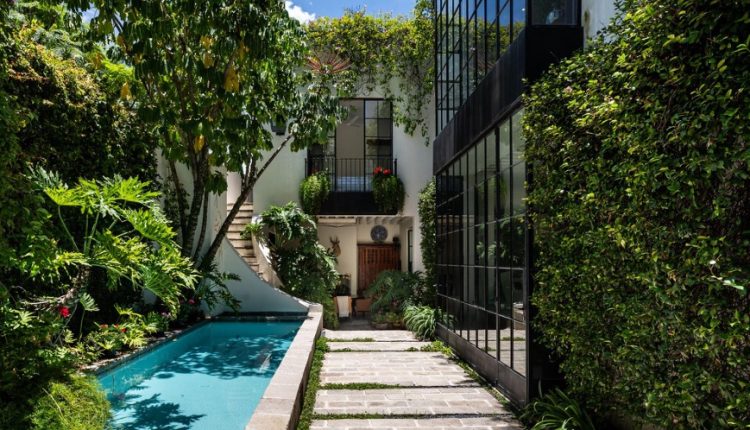
Designers Rela and Don Gleason were beguiled by San Miguel when they first visited in 1972. They returned often thereafter and, in 2010, when friends urged them to make the leap, they purchased a plot within the walls of an old hacienda garden. “There was nothing but a shack and overgrown gardens,” they say, but “it allowed us to build the house of our dreams”. That dream house is Casa Lala (main picture top, and above), now on the market for $3.2mn.
Unlike the long, narrow colonial houses typical of the Centro Histórico, Casa Lala is unusually wide, with windows on three sides overlooking neighbouring gardens so that the gentle light of the Bajío floods the rooms. Rela oversaw the project herself. She drew inspiration from the Mexican modernist architect Luis Barragán, whose bold use of colour and sense of sanctity redefined Mexican architecture in the 20th century.
Rela has succeeded in avoiding pastiche or obvious reference to Barragán. The house is original, contemporary and yet tied to the historic fabric of San Miguel: local artisans crafted the floors, ceilings and cabinetry by hand. The Gleasons say that the real heart of the house is the kitchen fireplace, where they’ve spent countless evenings.
Part of Casa Lala’s special appeal is how it stands in harmony with the town around it. Life here, the Gleasons say, “moves along slowly at a pace where you can enjoy every aspect — from the active social life to sports, shopping and dining.”
The climate has a big part to play in this atmosphere of perennial conviviality: 1,900 metres up, San Miguel has softly rolling seasons; the air is cool and dry, the days warm, and the nights refreshing. It is a social climate, as the Gleasons say: “There is always a festival in San Miguel… always music pouring out of doors and windows, it is a joyous place. We get a change of seasons without extremes and flowers are always in bloom.”
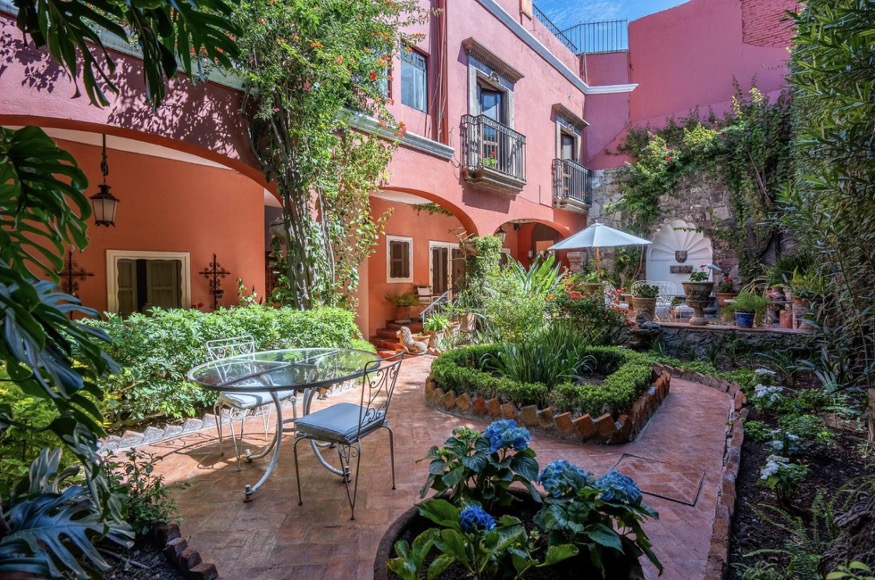
The property market in San Miguel has two sides that reflect the town’s duality: historic, yet increasingly cosmopolitan. Within the Centro Histórico, colonial houses command a premium. In the heart of the Centro, for example, is Casa Carolina, an 18th-century Spanish colonial estate, on sale for $2.45mn.
The house retains many original features: vaulted bóveda ceilings, Talavera tiles and cantera stone fireplaces. Carved hardwood cabinetry with Moroccan-weave detailing sits alongside terracotta tile floors. The pair of courtyards, garden and rooftop terrace are ideal for rest and entertaining.
While these larger homes have multimillion dollar price tags, smaller homes in San Miguel de Allende start at considerably less, around half a million dollars. Buyers are predominantly foreign — with Americans leading the way but Europeans also keen — and many want turnkey homes. 59 W Cuesta de Loreto Street, on the market for $895,000, comes fully furnished, has a lush, ready-planted courtyard, and there’s a casita for guests.
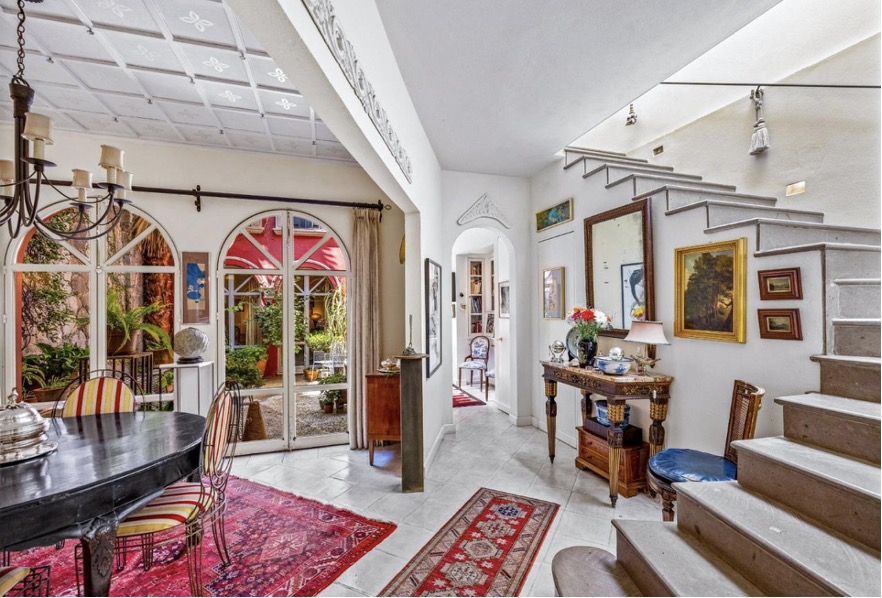
11 W Jón Del Palmar Street (above), listed at $900,000, is a three-bedroom, three-bathroom colonial casa with Saltillo tile floors, interior tiled patio area and a rooftop terrace with views of the spires of La Parroquia church. Both homes benefit from the courtyard lifestyle that feels quintessential to life in this historic town.
Photography: San Miguel Sotheby’s International Realty; Christies International Real Estate; Berkshire Hathaway Home Services; CDR
Read the full article here