

Unlock the Editor’s Digest for free
Roula Khalaf, Editor of the FT, selects her favourite stories in this weekly newsletter.
Period instruments might have been invented to play Mendelssohn’s incidental music to A Midsummer Night’s Dream. The enchanted music of the fairies that starts the Overture is so feather-light here — and so fast — that it gives the impression of fireflies flickering against a night sky.
The Overture has a strong case for being the most brilliant piece of music ever written by a 17-year-old (though Mendelssohn’s own Octet, written a year earlier, runs it very close). The rest of his incidental music to Shakespeare’s play did not follow for another 18 years, but it recaptures the Overture’s magical spirit well enough.
It is easy to see why Mendelssohn wanted his music to merge seamlessly in and out of the play, but that has left problems for performing it in concert. On this recording the so-called “melodrama” passages have been given to a narrator, the lively Max Urlacher, who speaks brief snatches of text based on the German translation of Shakespeare by August Wilhelm Schlegel that Mendelssohn knew — as workable as solution as any.
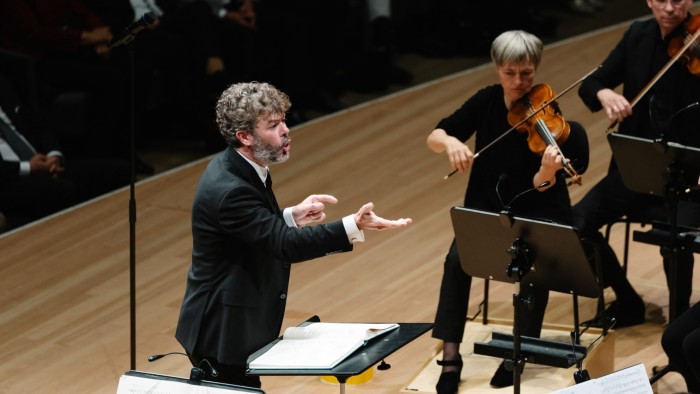
The music fizzes with life from first to last in this performance by the Freiburg Baroque Orchestra, conducted by Pablo Heras-Casado, making the most of the ethereal lightness of the period instruments.
On the downside, there is some lack of emotional warmth, and the “Wedding March” is brisk and businesslike to a fault, but the other major pieces, the Scherzo and Nocturne, are wonderfully transparent. The vocal numbers are a delight. Text and translations are provided.
★★★★☆
‘Mendelssohn: A Midsummer Night’s Dream’ is released by Harmonia Mundi
Read the full article here