


By Miriam Balanescu
The lavish style of Jacobean architecture, glorified for its craftsmanship and heritage, enjoyed something of a renaissance in the Victorian era. From steep roof gables to porches with pillars, tall chimneys, terracotta brickwork and mullioned windows, the characteristics of early 17th-century design were enthusiastically embraced, perhaps as a reaction to the industrial revolution.
These so-called neo-Jacobean buildings ranged from estates and homes to churches, offices and banks. But with the gothic revival also afoot, many of the imposing, stately architectural traits were then combined with Elizabethan features — H and E-shaped floor plans, castle-like, stone-trimmed doors and ornate wood panelling — a coming together of styles that writer John Betjeman later termed “Jacobethan”.
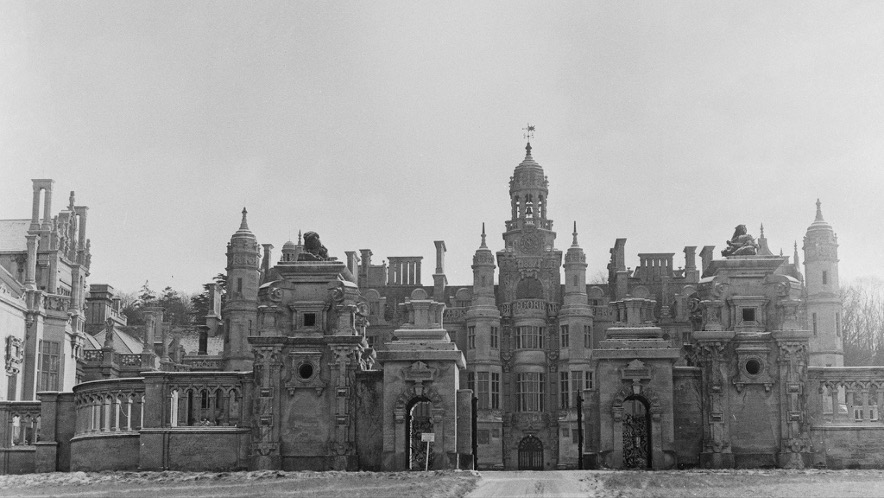
Two architects — James Pennethorne and Anthony Salvin — helped popularise this Jacobethan approach. Pennethorne’s redesign of the Tudor-era Dillington House in Somerset in the 1830s added arches, strapwork and symmetrical chimney stacks, all neo-Jacobean hallmarks. Meanwhile, Salvin’s Harlaxton Manor in Lincolnshire used cupolas, pilasters and corbels to imbue the grounds and estate with a theatrical grandeur.
In cities, smaller-scale examples appeared. Despite their impressive features, they were seen as desirable for their quaint references to a bygone age. One such home is this three-bedroom town house in Hackney — a “gingerbread house” as owner Irenie Cossey describes it (main picture, top). The home in De Beauvoir Square (on the market for £3mn), dates back to the 1840s, though its origins remain a mystery. “It’s a bit like when plants grow in the oddest places,” says Cossey, an architect and designer.
Her eponymous design studio, Irenie, recently renovated the property, keeping as many period details as possible, from intricate wood panels and carved detailing on the staircase (“almost like cake decoration,” says Cossey) to Grade II-listed cupboards formerly used as linen presses.
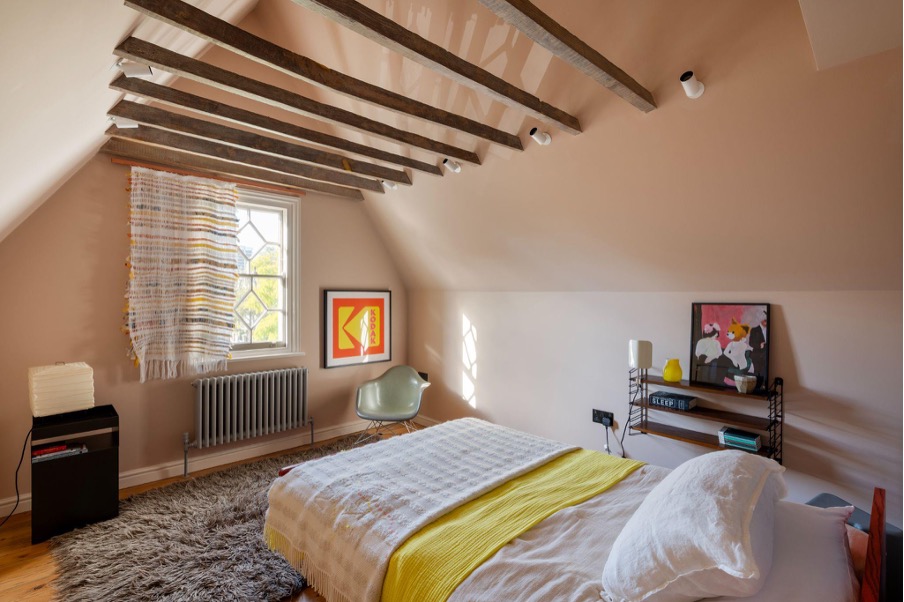
“It really was three projects in one, because it was derelict for three-and-a-half years,” she says. Its decorative pitched roof along with its distinctive twinned chimneys were carefully restored, and a new maple-accented kitchen installed in a 20 sq metre extension with skylights.
One of the major boons of neo-Jacobean H and E floor plans are the views from mullioned windows that look out on all sides. One house that takes advantage of this design to make the most of the rolling hills that surround it is the 10-bedroom Whitney Court in the Wye Valley, on sale for £3mn.
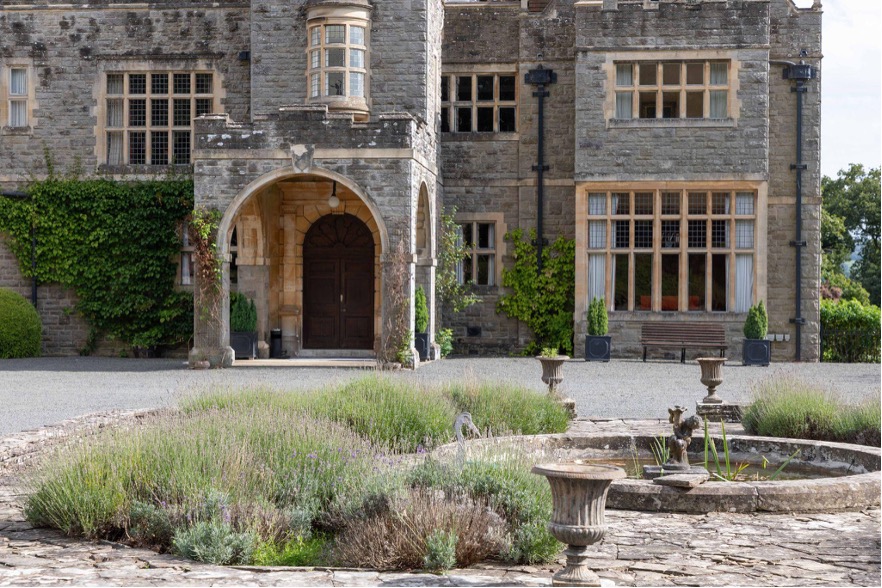
Completed at the turn of the 20th century, regal opulence is brought to this fortress-like estate with an arched, castellated portico entrance, marble flourishes and crest-adorned ceiling plasterwork.
The neo-Jacobean trend continued after the end of the Victorian period, as seen with designs such as this palatial house in Barcelona, on the market at €9.7mn, which features a formidable maze of rooms — including nine bedrooms.
Another unexpected benefit of neo-Jacobean floor plans is that they conceal far more space inside than their exteriors would suggest. In Cossey’s home, a spiral staircase is at the centre of the building with a room on each side. “It’s a warren,” she says.
There is something alluring about the hidden nooks and corners of a neo-Jacobean home, each room flooded with light from different angles. “Every time I go in,” says Cossey, “there’s a new shadow sitting on a new surface.”
Photography: Daily Express/Hulton Archive/Getty Images; Knight Frank; Savills
Read the full article here