

By Kate Youde
There is no doubt that climbing plants add kerb appeal to a property, as the #wisteriahysteria trend attests every spring. While attracting less of the social media spotlight, the likes of honeysuckle can also impress with colourful blooms.
But how can homeowners achieve the wow factor with climbers and wall shrubs, and what benefits do they bring beyond the visual?
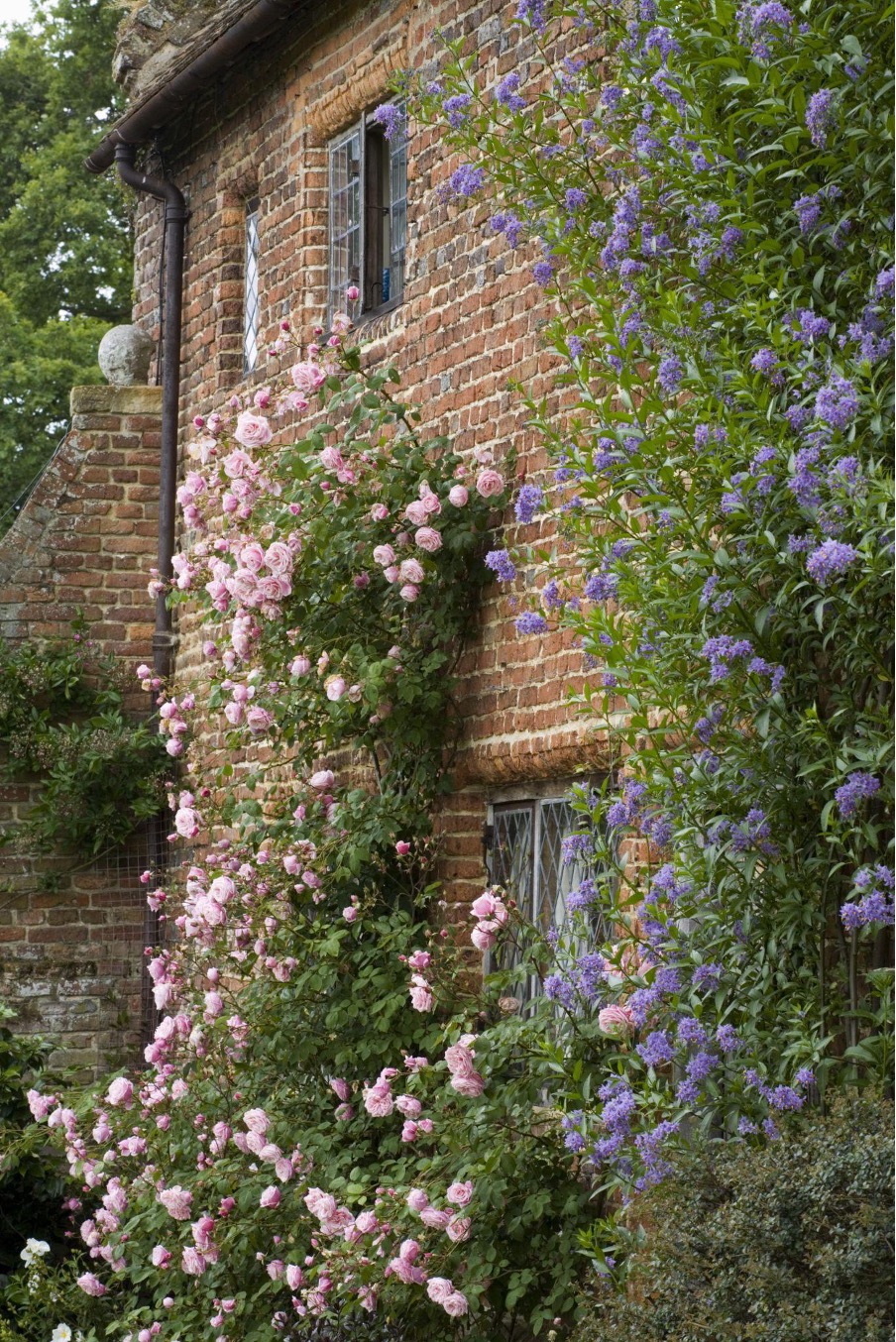
Garden designer Jo Thompson, who won a gold medal for her Glasshouse Garden at the recent RHS Chelsea Flower Show, suggests roses work on “all sorts of styles of architecture”. “You get the repeat flowers … [and] they look good in such a range of colours as well,” she says. “I like to put a rose with clematis, which will flower either before or after the rose so that you then get double impact from one area.” She says this planting should start making an impression after two or three years.
It is an Alchymist climbing rose that provides peach and cream accents to the front of this 19th-century cottage in the Cotswolds, on the market for £1.1mn.
Thompson advises homeowners with a painted or rendered house to put climbing roses and clematis on wires to facilitate repainting the property. “With roses, a good trick is to train the stems going horizontally so that new shoots then get sent up from those,” she says, explaining that this maximises surface coverage.
For north-facing areas, Thompson recommends the evergreen wall shrub garrya, which produces tassels in winter. The self-supporting climbing hydrangea, while slow to grow, works well in a shadier spot.
But it is the sun-loving wisteria that is the quintessential climber for kerb appeal. “It looks smart and elegant, and sometimes you do have the benefit of a second flowering, which is also lovely,” says Thompson. “It’s worth it, though, for that one big flowering per year…. a wisteria-clad house is fantastic.”
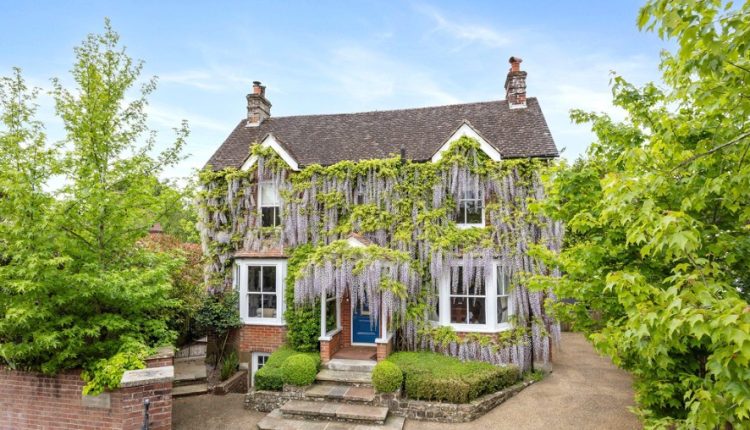
Long clusters of the lilac flower cascade down the red-brick facade of this Victorian three-bedroom home in Haslemere, Surrey, priced at £850,000.
It will probably require patience to create a similar display, as wisteria can sometimes take up to 10 years to flower, says Thomson. She therefore recommends buying wisteria when it is in flower. Where possible, she uses a scented variety, as this “adds another dimension to the pleasure”.
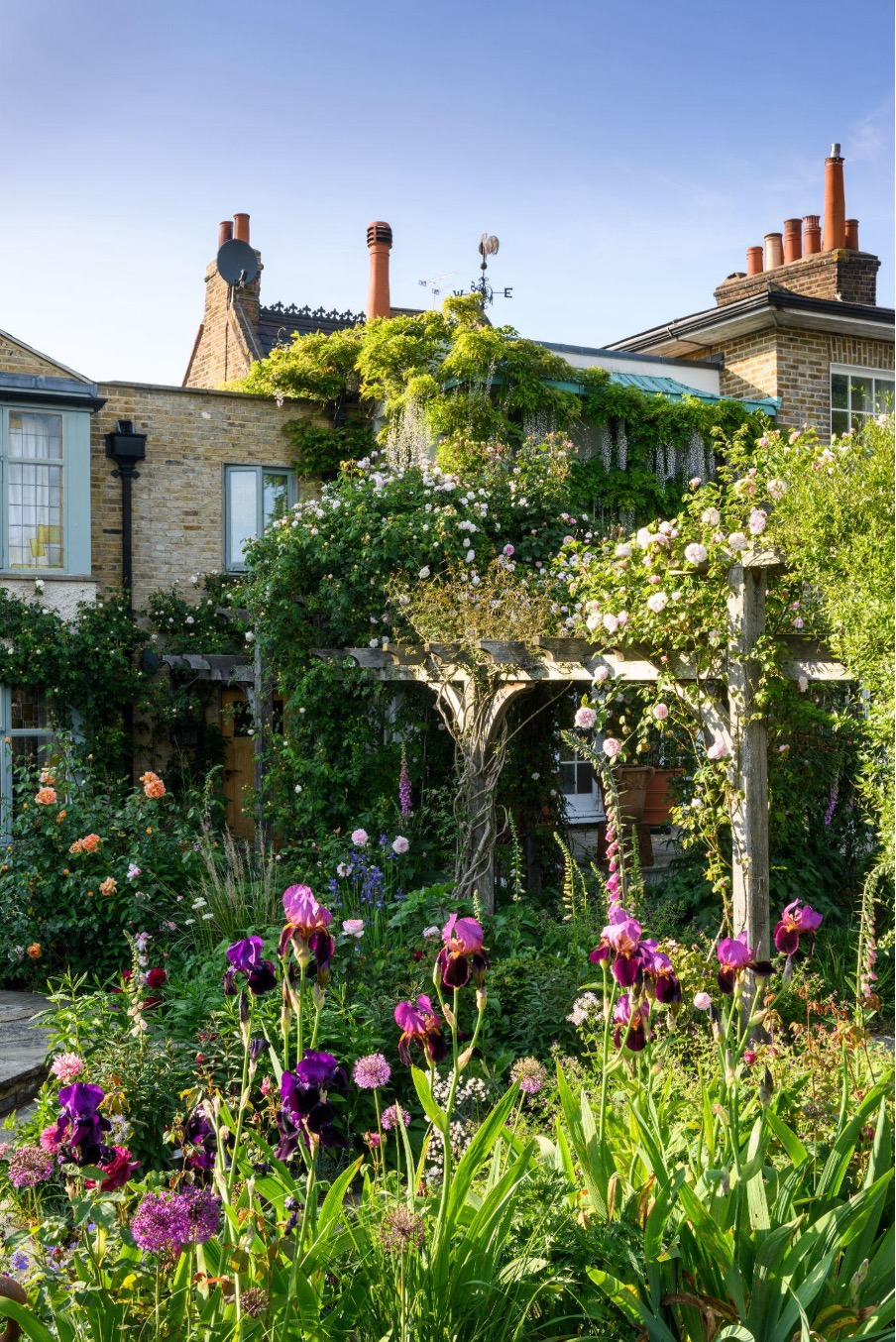
In Thompson’s own garden in East Sussex, climbing plants act as a “wallpaper for the sitting room” as they cover much of the window. A Meg climbing rose on the front of the house attracts pollinators. “It creates lovely hips as well, which I leave, and the birds love those,” she says.
There are benefits to climbers besides wildlife. RHS research has found ivy cools buildings by more than 5C in summer, compared with those without it, and provides insulation in winter. The foliage sheds rain, reducing internal humidity.
Ivy decorates the medieval watchtower that forms part of this , on the market for €1.38mn.
RHS horticultural adviser Chris Taylor says that while ivy has “a bad rep with some people”, it won’t affect a “sound wall”. “The roots don’t penetrate deeply into the wall,” he says. He advises shearing back the self-clinging climber in February, outside of nesting season, to stop it sticking out too much.
The maintenance of climbers and wall shrubs varies between plants, but in general, Taylor says they “need a bit of taming every now and again”, typically the pruning and tying in of branches once a year. Wisteria is “higher maintenance” because it requires pruning at least twice a year.
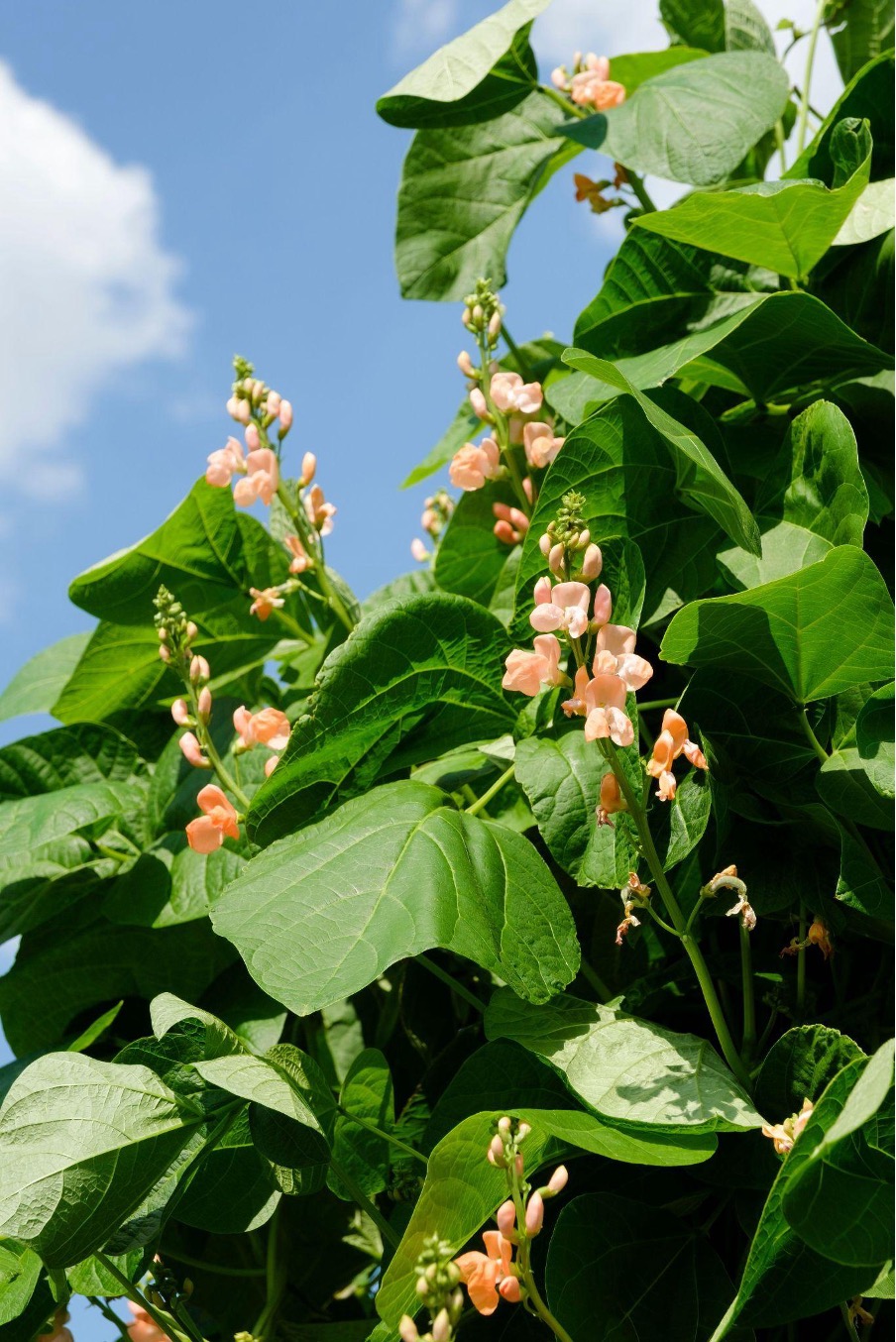
Taylor likes that climbers “break up an expanse of wall”. He advocates growing vegetables, including pink-flowered varieties of runner beans, vertically against walls to save space. That way you have “something you can eat that’s also ornamental”. A feast for the eyes and the stomach.
Photography: Strutt & Parker; Alamy; Jason Ingram
Read the full article here