

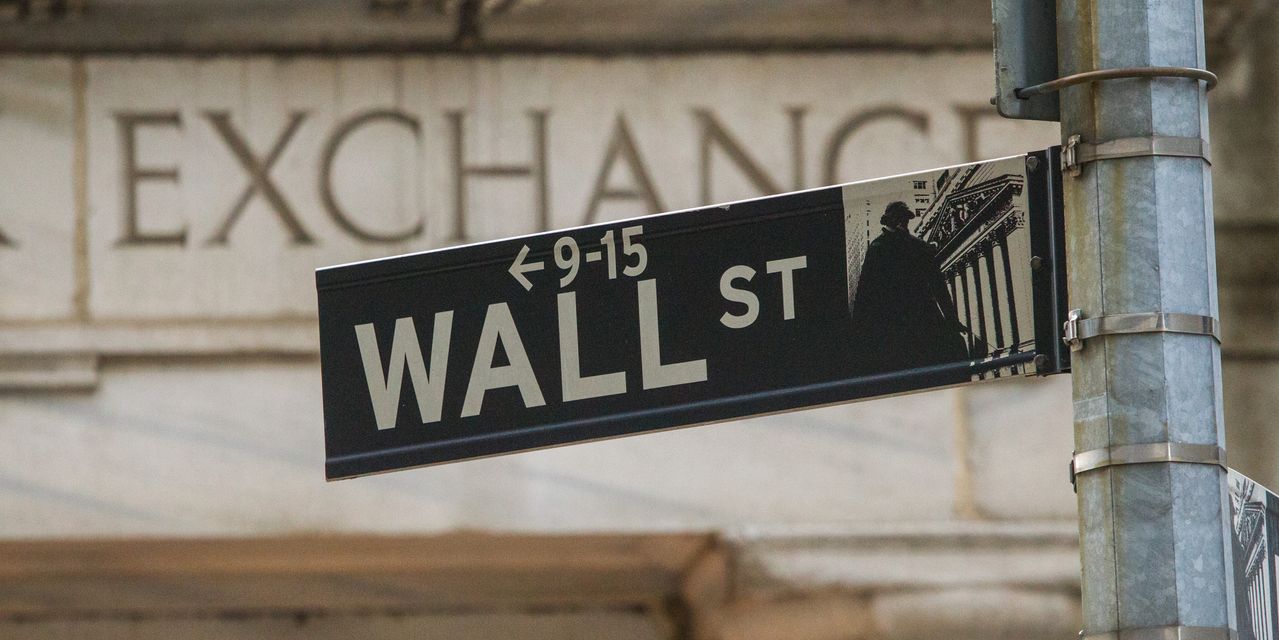
U.S. stocks were lower again Thursday, putting the three big equity indexes on pace for weekly losses, even though Treasury yields eased, as investors awaited Friday’s monthly jobs report from the Labor Department.
What’s happening
-
The Dow Jones Industrial Average
DJIA
fell by 54 points, or 0.2%, to 33,079. -
The S&P 500
SPX
was off by 14 points, or 0.3%, at 4,249. -
The Nasdaq Composite
COMP
declined by 53 points, or 0.4%, to 13,184.
On Wednesday, the Dow Jones Industrial Average rose 0.4%, to 33,130, snapping a three-day losing streak, while the S&P 500 gained 0.8%, to 4,264 for its biggest percentage-point gain in three weeks, FactSet data show.
What’s driving markets
Treasury yields slipped for a second day Thursday morning, as investors digested a batch of fresh economic data ahead of Friday’s all-important September jobs report.
The yield on the 10-year Treasury note
BX:TMUBMUSD10Y
was last pegged at 4.7%, below the 16-year high reached earlier this week.
A weekly report on jobless-claims data showed no sign that layoffs have been increasing. Rising layoffs are seen as a necessary prerequisite for the Federal Reserve to start easing its monetary policy, which has weighed on both stocks and bonds since early 2022. Government data showed the number of Americans who applied for unemployment benefits last week rose slightly to 207,000, but remained near pandemic-era lows.
See: U.S. jobs report forecast: 170,000 new workers and 3.7% unemployment
Investors also received data on the U.S. international trade deficit which suggested some weakness in consumer spending, but analysts chiefly blamed the jobless claims numbers for the impact on yields and stocks.
Rising Treasury yields, particularly on the long end of the yield curve, have been widely blamed for driving the selloff in stocks that has taken place since early August. As stocks slipped again on Thursday with no obvious driver in sight, equity analysts see signs of investors simply following the latest trend.
“Financial markets have been rattled in the last few days,” said Bill Adams, chief economist for Comerica Bank. “The yield on the 10-year Treasury note has jumped about 0.6 percentage points since the beginning of September, extending a steady march higher since the early summer.”
“There are competing explanations for the surge in interest rates and they have very different implications. Treasury issuance is way up this year with a higher deficit, and the Fed is no longer a buyer; rising interest rates would be the classic warning that the deficit is starting to crowd out private-sector access to capital. But Treasury yields rose in August, too, even though the Federal government ran a monthly surplus in the month.”
“On net the increase in long Treasury yields makes the Fed more likely to choose an earlier peak in short-term interest rates and an earlier pivot to rate cuts in 2024.”
Several senior Fed officials were speaking on Thursday, including San Francisco Fed President Mary Daly, who said interest rates can be held steady if the labor market and inflation continue to cool, according to Bloomberg.
Choppy trading in recent days sent the Cboe VIX index
VIX,
a gauge of expected equity-market volatility, to 20 for the first time in four months as stocks tumbled. Some analysts see a near-term rebound ahead, but many argue the direction of bond yields remains critical for stocks.
Companies in focus
-
Exxon Mobil‘s
XOM,
-1.92%
shares fell 2.5% after the company said rising crude prices are likely to boost its third-quarter profit by $1 billion, but thinner margins from chemicals will hurt profits by as much as $600 million. Analysts at RBC say that the update from Exxon is likely to result in earnings above consensus expectations but roughly in line with investor expectations. -
Rivian Automotive Inc.
RIVN,
-18.66%
shares dropped 20% after the EV maker said it plans to offer $1.5 billion worth of “green” convertible senior notes due in 2030, and issued preliminary sales estimates that met Wall Street’s expectations. Rivian stock rose by 9% on Wednesday. -
Clorox Co. shares
CLX,
-6.17%
fell 7.1% after the company cut its outlook following disruptions caused by a cyberattack first reported in August. -
General Motors Co.
GM,
-2.64%
shares shed 3.4% Thursday following a news report saying that the carmaker may be facing a massive recall in connection with defective air-bag inflators.
––Jamie Chisholm contributed reporting
Read the full article here