

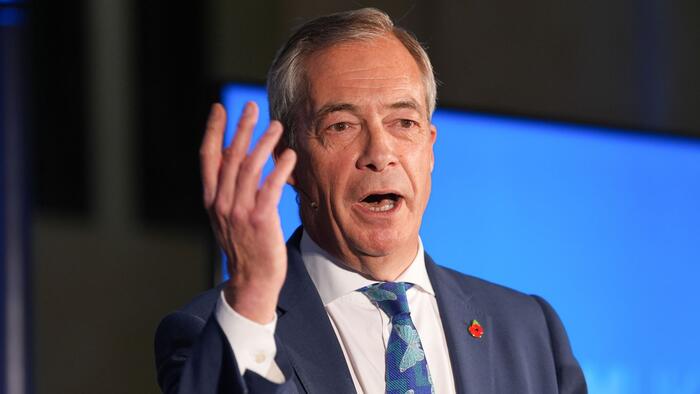
An estimated 453,230 accounts were shut down in the United Kingdom in the last year, a stunning figure that has drawn outrage from the country’s leading conservative lawmaker.
Reform UK leader Nigel Farage called the shocking figure “appalling” and slammed European rules that he believes “makes it cheaper for banks to close accounts over unusual transactions.” Farage, who was elected to the British Parliament in 2024 and leads the conservative populist Reform Party, is no stranger to debanking, having had his accounts closed by Coutts in 2023.
So what’s the banks’ excuse? “Financial crime reasons,” they said, according to documents obtained by The Telegraph under Freedom of Information rules.
The Telegraph reports:
It comes ahead of the introduction of new rules which will force lenders to give customers longer before they close accounts – at least 90 days’ notice – as well as offer clearer explanations of why they shut the accounts.
But the requirements will only apply to accounts opened after April 28 this year and will be subject to exemptions to allow banks to comply with financial crime rules.Financial institutions are allowed to close accounts for commercial reasons, and if they suspect criminal activity. There is no legal right to a bank account in the UK, unlike in countries such as France and Belgium.
Banks have faced criticism over their failure to explain to customers exactly why accounts have been closed. This is often blamed on anti-money laundering and other financial crime rules which lenders must follow.
Nonetheless, British officials defend closing the accounts, claiming they were shut down after a thorough review.
“Banks must comply with strict legal and regulatory requirements in terms of verifying customers and preventing financial crime. As a result, a small proportion of accounts are closed, but only after extensive review and investigation,” a UK government spokesperson told The Telegraph.
“Fighting financial crime is one of our priorities. Fraud makes up over 40 pc of crime in the UK, robbing people of their hard-earned money,” An FCA spokesman said in a separate statement.
“It’s important banks and building societies play their part, including closing accounts they have suspicions about. Only a tiny fraction of accounts are closed – and we expect firms to act proportionately and treat customers fairly.”
While British officials don’t appear to see the problem with the surging number of closed bank accounts, critics across the pond in the United States see the escalating situation as a cautionary tale.
Adam Smith Institute’s Maxwell Marlow told The Telegraph: “The scourge of debanking continues to blight the British public and significantly impacts the Square Mile.”“Our finance system thrives through freedom – it is why we were the centre of global capitalism for so long, and we became rich from it. If we choose to reject these principles by ignoring this issue, our liberties and prosperity will be punished collectively,” Marlow added.
Across the pond – in August, President Donald Trump took a series of actions to thwart “debanking,” which was pervasive during the Biden administration, signing an executive order aimed at preventing financial institutions from denying services based on customers’ political or religious beliefs.
The order, titled “Guaranteeing Fair Banking for All Americans,” directs federal regulators to scrutinize banks for past or present policies that may have encouraged discriminatory practices and to impose remedies such as fines or consent decrees where violations are found.
The order also requires the removal of “reputational risk” considerations from supervisory guidance, which the administration argues have been used to pressure banks into restricting access for certain lawful industries or individuals.
Loading recommendations…
Read the full article here