

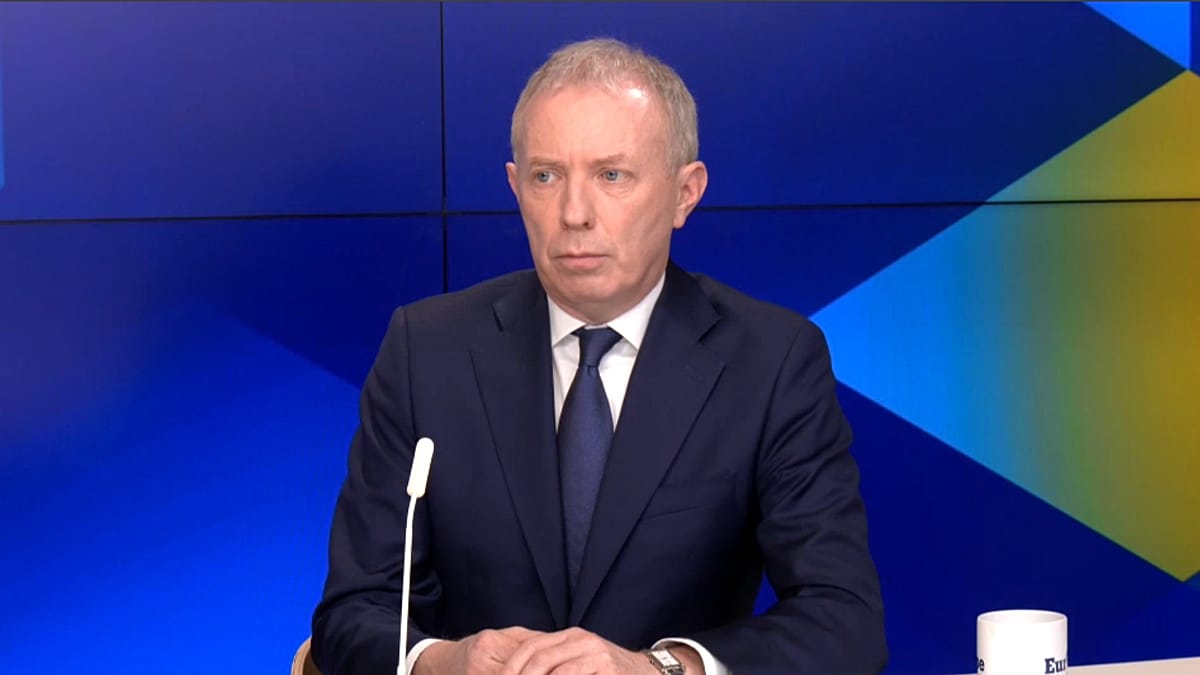
Ireland’s junior agriculture minister Timmy Dooley has warned the outlook for farmers is “stark”, as soaring fuel and fertiliser costs pile pressure on the sector ahead of an EU ministers’ meeting in Brussels.
ADVERTISEMENT

ADVERTISEMENT
He urged flexibility on EU climate rules, including exempting fertilisers from the Carbon Border Adjustment Mechanism (CBAM), which makes importers pay for production-related emissions.
Supply has also been hit by the closure of the Strait of Hormuz amid the Iran war, affecting 13% of global fertiliser, according to the United Nations.
This comes after the EU moved to ban fertilisers from Belarus and Russia in July 2025.
Ireland’s stance is backed by France and Italy, which also want farmers shielded from carbon costs on fertiliser imports to protect competitiveness and food production.
France is pushing for urgent relief, including a temporary suspension of CBAM on fertilisers and ammonia, potentially backdated to 1 January 2026.
Meanwhile, MEPs from across the political spectrum — from the European People’s Party to Patriots for Europe — are calling for an assessment of the Hormuz tensions on supply, prices and possible shortages.
EU trade chief Maroš Šefčovič said fertiliser prices are still about 60% higher than in 2020, putting “considerable strain” on farmers and hurting competitiveness.
Ireland, France and Italy — all major farming nations — have also opposed trade deals they fear could undercut their producers.
The European Commission plans to provisionally apply the Mercosur trade deal from 1 May, covering Argentina, Brazil, Paraguay and Uruguay — but Ireland remains against it.
Dooley said Dublin cannot support the deal over concerns on standards and environmental protections, though he welcomed a recent EU-Australia agreement.
“There are real opportunities for Ireland — in agri-food and beyond,” he said.
Watch the full interview on Europe Today at 8am CET from Monday to Friday, live on Euronews and across all platforms.
Read the full article here